Married To Massage

Committed to YOUR Health and Wellbeing

916-467-4325 (HEAL)
RESERVE NOW!
  • Home
  • About
  • Services
    • Cherished Chair Massage
    • Deep Tissue and Sports Massage
    • Hot Stone Massage Blend
    • Light Therapy
  • Gift Certificates
  • Conditions
    • TMJ Disorder
    • Golfers Elbow Pain Relief with Massage
    • Sciatic Pain Relief with Massage Therapy
  • Announcements
  • Contact Us

Healing the Healers with massage for Nurses Week

June 12, 2026 by marriedtomassage

Tweet

Healing the Healers: How Massage Therapy Benefits Nurses

Quick answer: Massage therapy helps nurses by significantly reducing musculoskeletal pain, alleviating lower back strain, and decreasing cortisol levels associated with workplace stress and burnout. Regular therapeutic massage provides essential physical and mental recovery for healthcare professionals who work physically demanding, long shifts.

Nurses carry the weight of the healthcare system on their shoulders, often quite literally. Long shifts, heavy lifting, and the emotional toll of patient care create a perfect storm for physical and mental exhaustion. While these healthcare professionals dedicate their careers to healing others, they frequently lack the time and resources to address their own physical deterioration.

Nurses
Nurses need massage therapy

Every year, National Nurses Week provides an opportunity to recognize the invaluable contributions of the nursing workforce. However, acknowledging their hard work should extend beyond simple appreciation. Implementing practical interventions, such as massage therapy, offers tangible support for the people who keep our medical facilities running.

Understanding the occupational hazards of nursing highlights why therapeutic interventions are necessary. This article explores the specific ways massage therapy serves as a critical tool for nursing staff, addressing both the physical pain and the psychological stress inherent in the profession.

Why do nurses experience high rates of physical pain?

Nursing is a physically strenuous profession that requires constant movement, awkward postures, and the manual transfer of patients. According to a 2020 study published in the Journal of Clinical Nursing, up to 75% of nurses report experiencing lower back pain at some point in their careers (Halboub et al., 2020). The repetitive nature of checking vitals, adjusting hospital beds, and spending 12 hours on their feet places immense pressure on the musculoskeletal system.

Furthermore, the American Nurses Association (ANA) emphasizes that the physical demands of patient handling frequently lead to career-altering injuries. The cumulative effect of these daily tasks creates chronic tension in the neck, shoulders, and lower back. Without adequate recovery protocols, this sustained physical stress often transforms into debilitating chronic pain.

How does massage therapy reduce physical strain for nurses?

Massage therapy offers targeted relief for the specific musculoskeletal issues that nurses develop on the floor. Deep tissue massage, in particular, helps to break down adhesions in the muscle tissue caused by repetitive strain. By increasing blood circulation to affected areas, massage accelerates the delivery of oxygen and nutrients needed for cellular repair (Bervoets et al., 2015).

For nurses experiencing lower back and shoulder pain, trigger point therapy can release localized areas of muscle spasm. This targeted approach directly addresses the knots that form after a grueling shift in the intensive care unit or emergency department. Choose a deep tissue massage if chronic muscle stiffness severely limits mobility, whereas a Swedish massage is better suited if the primary goal is general pain relief and relaxation.

Can massage therapy help nurses manage stress and burnout?

The benefits of massage therapy extend far beyond physical pain management. The nursing profession carries a heavy emotional burden, directly contributing to high rates of clinical burnout. High-stress environments trigger the prolonged release of cortisol, the body’s primary stress hormone.

Research published by the National Institutes of Health demonstrates that massage therapy can decrease cortisol levels by up to 31% while simultaneously increasing the production of serotonin and dopamine (Field et al., 2005). These neurochemical shifts help mitigate the symptoms of anxiety and depression that often accompany severe burnout. Regular massage sessions provide a dedicated space for nurses to decompress, process the emotional weight of their shifts, and reset their nervous systems before returning to the ward.

How does National Nurses Week promote therapeutic care?

National Nurses Week, celebrated annually from June 11-17 with a focal point for institutional and public gratitude. This week presents an ideal timeline for hospital administrators and wellness programs to introduce therapeutic care options to their staff.

Many medical facilities use this week to partner with local massage therapists, offering on-site chair massages in break rooms. While a 15-minute chair massage cannot resolve chronic issues, it introduces the immediate benefits of therapeutic touch to staff members who might not otherwise seek it out. Providing these services during National Nurses Week signals an organizational commitment to employee health, potentially encouraging nurses to integrate regular massage into their long-term self-care routines.

Supporting Nurses Beyond Their Shifts

Nurses cannot pour from an empty cup. Sustaining a healthy, capable nursing workforce requires proactive investments in their physical and mental well-being. Massage therapy represents a proven, effective method for mitigating the intense occupational hazards associated with patient care. Healthcare organizations and individual nurses alike should view therapeutic massage not as a luxury, but as an essential component of career longevity and holistic health.

What are the most frequently asked questions about massage for nurses?

What type of massage is best for a nurse with lower back pain?

Deep tissue massage and neuromuscular therapy are generally the most effective options for nurses dealing with severe lower back pain. These modalities focus on realigning deeper layers of muscles and connective tissue to relieve the specific tension caused by lifting and standing.

How often should a working nurse get a massage?

For proactive maintenance and stress management, receiving a massage once a month is a practical goal for most nurses. If a nurse is recovering from a specific injury or severe burnout, bi-weekly sessions may be recommended until symptoms improve.

Are there contraindications for massage therapy in healthcare workers?

Nurses should avoid receiving a massage if they have a contagious skin condition, a high fever, or an active infectious disease. Additionally, those with a history of deep vein thrombosis should consult their physician before scheduling a deep tissue session.

Can hospitals subsidize massage therapy for nursing staff?

Yes, some forward-thinking healthcare networks incorporate massage therapy into their employee assistance programs (EAPs) or offer wellness stipends that cover alternative therapies. Nurses should check their specific human resources benefits packages to see if clinical massage therapy is eligible for reimbursement.

References

  • Bervoets, D. C., Luijsterburg, P. A., Alessie, J. J., Buijs, M. J., & Verhagen, A. P. (2015). Massage therapy has short-term benefits for people with common musculoskeletal disorders compared to no treatment: a systematic review. Journal of Physiotherapy, 61(3), 106-116.
  • Field, T., Hernandez-Reif, M., Diego, M., Schanberg, S., & Kuhn, C. (2005). Cortisol decreases and serotonin and dopamine increase following massage therapy. International Journal of Neuroscience, 115(10), 1397-1413.
  • Halboub, G., Al-Mekhlafi, H. M., & Al-Zabedi, M. (2020). Prevalence and factors associated with lower back pain among working nurses. Journal of Clinical Nursing, 29(15-16), 2844-2853.

Medical Disclaimer: The information provided in this article is for educational and informational purposes only and does not constitute medical advice. It is not intended to be a substitute for professional medical diagnosis, treatment, or guidance. Always seek the advice of your physician or other qualified health provider with any questions you may have regarding a medical condition or treatment plan.

Filed Under: Uncategorized

Massage for PTSD

June 11, 2026 by marriedtomassage

Tweet

Three Things That Genuinely Help With PTSD

Quick answer: Three evidence-supported ways to ease PTSD symptoms are trauma-focused psychotherapy (such as CBT or EMDR), regular physical activity, and massage therapy. These approaches can reduce anxiety, improve sleep, and help the body and mind feel safer over time. They work best alongside professional support.

Living with post-traumatic stress disorder can feel like your nervous system is stuck on high alert. Loud noises make you jump. Sleep won’t come. Memories show up uninvited. If that sounds familiar, you’re not alone—and there are practical ways to feel better.

This post breaks down what PTSD actually is, the symptoms to watch for, and three things that research suggests can help. None of these replace professional care, but they can be powerful parts of a recovery plan.

What Is PTSD?

PTSD is a mental health condition that can develop after someone experiences or witnesses a terrifying event. That might be combat, a serious accident, assault, a natural disaster, or any situation that felt life-threatening.

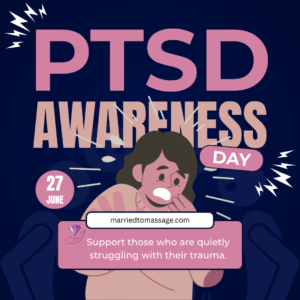
PTSD
Add massage to help with ptsd symptoms

According to the National Institute of Mental Health (NIMH), most people who go through trauma will have some reactions afterward, but the majority recover naturally. When symptoms last longer than a month and start to disrupt daily life, it may be PTSD (NIMH, 2023).

PTSD is more common than many people realize. The U.S. Department of Veterans Affairs estimates that about 6 out of every 100 people will have PTSD at some point in their lives (U.S. Department of Veterans Affairs, 2023). It can affect anyone—veterans, survivors of abuse, first responders, and everyday people who’ve lived through something frightening.

What Are the Symptoms of PTSD?

PTSD symptoms usually fall into four categories, according to the NIMH:

  • Re-experiencing symptoms: Flashbacks, nightmares, and frightening thoughts that bring the trauma rushing back.
  • Avoidance symptoms: Staying away from places, people, or activities that serve as reminders, and avoiding talking about what happened.
  • Arousal and reactivity symptoms: Being easily startled, feeling tense or “on edge,” difficulty sleeping, and angry outbursts.
  • Cognition and mood symptoms: Trouble remembering details of the event, negative thoughts about yourself or the world, guilt, and loss of interest in things you once enjoyed.

Symptoms can appear within three months of the event or sometimes years later. They also vary from person to person. If these reactions last more than a month and interfere with work, relationships, or daily routines, it’s worth speaking with a healthcare professional.

Three Things That Help With PTSD

1. Trauma-Focused Psychotherapy

Talk therapy remains the most strongly supported treatment for PTSD. The American Psychological Association (APA) recommends several trauma-focused approaches, including Cognitive Behavioral Therapy (CBT), Cognitive Processing Therapy (CPT), and Prolonged Exposure therapy (APA, 2017).

Another well-studied option is Eye Movement Desensitization and Reprocessing (EMDR). During EMDR, a therapist guides you through recalling the traumatic memory while you follow side-to-side eye movements or other rhythmic stimulation. The goal is to help your brain reprocess the memory so it loses some of its emotional charge.

Choose trauma-focused therapy first if your symptoms are intense or have lasted a long time. Working with a licensed professional gives you a safe space to process what happened and learn coping skills that last.

2. Regular Physical Activity

Movement does more than build muscle—it can calm an overactive stress response. Exercise releases endorphins, improves sleep, and gives the body a healthy outlet for the tension that PTSD creates.

Research published in the journal Cochrane Database of Systematic Reviews found that physical activity may reduce PTSD symptoms, as well as related depression, when added to standard treatment (Lawrence et al., 2022). Activities like walking, running, swimming, and yoga have all shown promise.

Yoga deserves a special mention. A study supported by the National Center for Complementary and Integrative Health found that yoga helped reduce PTSD symptoms in women with chronic, treatment-resistant PTSD (van der Kolk et al., 2014). The combination of breathing, movement, and mindfulness seems to help the body feel grounded again.

Start small if exercise feels overwhelming. A ten-minute daily walk is a realistic first step that builds momentum over time.

3. Massage Therapy

Massage is often overlooked, but it can be a meaningful complement to other treatments. People with PTSD frequently carry chronic muscle tension and struggle to relax. Massage therapy addresses that physical side of trauma directly.

Studies suggest massage can lower cortisol—the body’s main stress hormone—while boosting serotonin and dopamine, which support mood and relaxation (Field, 2016). For someone whose nervous system is stuck in fight-or-flight, that shift can offer real relief.

Massage may also improve sleep and reduce anxiety, two areas where PTSD hits hard. Consider massage if physical tension, poor sleep, or difficulty relaxing are among your biggest struggles. It pairs well with therapy rather than replacing it.

A quick note: physical touch can feel uncomfortable for some trauma survivors. Let your massage therapist know your boundaries beforehand, and stop anytime something doesn’t feel right.

Putting It All Together

PTSD is treatable, and recovery is possible. Trauma-focused therapy gives you tools to process the past, exercise helps your body release stress, and massage soothes the physical tension that trauma leaves behind. Used together—and under the guidance of a healthcare professional—these approaches can make a real difference.

If you or someone you know is struggling, reach out to a licensed mental health provider. In the U.S., you can call or text the 988 Suicide and Crisis Lifeline for immediate, free, and confidential support.

Frequently Asked Questions

Can PTSD go away on its own?

Some people recover from trauma naturally within a few weeks. But when symptoms last longer than a month and disrupt daily life, professional treatment usually offers the best path to recovery. PTSD rarely improves on its own once it becomes chronic.

How long does PTSD treatment take?

It depends on the person and the approach. Many trauma-focused therapies, such as CPT and Prolonged Exposure, run for about 8 to 15 weekly sessions, according to the APA (2017). Some people need more time, especially with complex or long-standing trauma.

Is massage a replacement for PTSD therapy?

No. Massage therapy is best viewed as a complement to evidence-based treatments like psychotherapy. It can ease physical tension, improve sleep, and lower stress hormones, but it does not address the underlying trauma the way trauma-focused therapy does.

Who is most at risk of developing PTSD?

Anyone exposed to trauma can develop PTSD, but risk is higher for combat veterans, survivors of assault or abuse, first responders, and people with less social support after a traumatic event. Genetics and prior mental health conditions can also play a role.

What should I do if exercise or massage triggers anxiety?

Stop and go at your own pace. Trauma survivors sometimes feel uneasy with touch or intense physical sensations. Start gently, communicate your boundaries, and talk to a therapist about pacing. The goal is to feel safe, not pushed.


References

  • American Psychological Association. (2017). Clinical Practice Guideline for the Treatment of Posttraumatic Stress Disorder (PTSD) in Adults.
  • Field, T. (2016). Massage therapy research review. Complementary Therapies in Clinical Practice.
  • Lawrence, S., et al. (2022). Exercise for post-traumatic stress disorder. Cochrane Database of Systematic Reviews.
  • National Institute of Mental Health. (2023). Post-Traumatic Stress Disorder.
  • U.S. Department of Veterans Affairs, National Center for PTSD. (2023). How Common Is PTSD in Adults?
  • van der Kolk, B. A., et al. (2014). Yoga as an adjunctive treatment for posttraumatic stress disorder. Journal of Clinical Psychiatry.

Filed Under: Uncategorized

Relieve Symptoms of Scleroderma with Massage Therapy

June 12, 2025 by marriedtomassage

Tweet

Scleroderma and Massage Therapy for Symptom Relief

Scleroderma is a chronic autoimmune disease that affects an estimated 300,000 Americans, impacting the skin and connective tissues by causing thickening and hardening. People living with scleroderma often experience symptoms like joint pain, stiffness, fatigue, circulation issues, and even gastrointestinal complications. While traditional medical treatments play an essential role in managing this condition, many people are exploring complementary therapies to improve their quality of life. One such therapy gaining attention is massage.

Because June is Scleroderma Awareness Month, this blog will explore the potential benefits of massage therapy for individuals with scleroderma, how it works, and what you should know before trying it. If you’re living with scleroderma or know someone who is, this guide will provide practical, science-based insights.

How Massage Therapy Helps People with Scleroderma

Massage therapy has long been used as a tool for relaxation, circulation improvement, and pain relief. Although there is no cure for scleroderma, massage therapy may address several symptoms related to the condition. Here’s how it works:

Improving Circulation and Managing Raynaud’s Phenomenon

Raynaud’s phenomenon is a common symptom in people with scleroderma, causing cold, numb, and discolored fingers or toes due to poor blood circulation. Massage therapy can help by manually stimulating blood flow, encouraging better oxygen delivery, and reducing circulation-related discomfort. Techniques like gentle effleurage (long, gliding strokes) can warm the affected areas and promote vascular health.

Increasing Flexibility and Reducing Joint Stiffness

One of scleroderma’s challenges is the hardening of connective tissues, leading to joint stiffness and decreased flexibility. Regular massage therapy may help loosen tight muscles, improve range of motion, and reduce muscular pain. Trigger point therapy and myofascial release techniques are particularly beneficial for targeting localized areas of stiffness.

Enhancing Skin Elasticity

The key characteristic of scleroderma is its effect on the skin’s elasticity. Techniques like manual lymphatic drainage, which employs light pressure and rhythmic motions, can stimulate the lymphatic system and help soften the skin. This approach can also reduce swelling, which is another common symptom.

Reducing Stress and Fatigue

Many people with scleroderma feel physically and emotionally exhausted due to the chronic nature of the disease. Massage therapy promotes the release of serotonin and dopamine, reducing stress levels while improving overall mood and well-being. Even a 30-minute massage session can leave clients feeling refreshed and more capable of managing their day.

Type of Massage Therapy for Scleroderma

Swedish Massage

Swedish massage focuses on using gentle, flowing strokes to relax muscles and improve overall circulation. This technique is particularly beneficial for those experiencing fatigue, stress, or mild muscle tightness.   Book your relaxation massage by following this link and clicking “Reserve Now”

Important Considerations Before Using Massage for Scleroderma

While massage therapy offers many promising benefits, it’s necessary to approach it carefully if you have scleroderma. Here are some key considerations:

  • Consult Your Healthcare Provider: Always seek guidance from your doctor before starting any form of massage therapy, especially if you have severe symptoms or complications.
  • Choose the Right Therapist: Look for a licensed massage therapist with experience working with autoimmune diseases or chronic conditions. Ensure they understand scleroderma’s specific challenges and symptoms.
  • Go Gentle: Scleroderma can make the skin and tissues particularly sensitive. Light pressure and gentle techniques are recommended to avoid discomfort.
  • Communicate Your Needs: Don’t hesitate to share any concerns or preferences with your therapist. Open communication is vital to ensure a comfortable and effective experience.
  • Be Mindful of Open Wounds or Sensitive Skin: If you have ulcers, open wounds, or extremely tender skin, avoid direct contact with these areas during your session.

The Science Behind Massage Therapy and Scleroderma

Research into massage therapy for scleroderma is still emerging, but existing studies suggest promising results. A study published in the “Journal of Bodywork and Movement Therapies” found that myofascial release techniques positively impacted patients with systemic sclerosis, improving mobility and reducing pain. Additionally, massage has been widely studied for its general benefits, such as reducing cortisol levels, improving immunity, and enhancing overall circulation.

While more research is required to establish a direct connection between massage therapy and scleroderma management, anecdotal evidence and small-scale studies strongly support its complementary role in improving quality of life.

Building a Comprehensive Care Plan with Massage Therapy

Adding massage therapy to your care routine can be a game-changer, but it’s not a standalone treatment. Instead, it works best when paired with medical therapies, physical activity, and other self-care practices. Here’s a quick guide to building a well-rounded care plan:

  • Medication Management: Follow your doctor’s instructions for prescribed medications.
  • Physical Therapy: Work with a physiotherapist to improve mobility and strength.
  • Diet: Maintain an anti-inflammatory diet rich in fresh fruits, vegetables, and healthy fats.
  • Self-Massage: Learn simple self-massage techniques to use at home between sessions.
  • Stress Management: Practice mindfulness or engage in other activities to manage emotional stress.

Taking the Next Step

Massage therapy offers an effective way to alleviate some of the physical and emotional burdens of scleroderma. Beyond its physical benefits, it provides an opportunity for relaxation, self-care, and connection with your body in a holistic way.

If you’re considering massage therapy, start by talking to your healthcare provider about incorporating this practice into your wellness routine. Whether you opt for Swedish massage, myofascial release, or manual lymphatic drainage, each session is a step toward improving your quality of life.

Further Resources

If you’re interested in learning more about massage therapy for scleroderma, here are a few informative websites to explore:

  1. Scleroderma Foundation – www.scleroderma.org
  2. National Center for Complementary and Integrative Health (NCCIH) – www.nccih.nih.gov
  3. American Massage Therapy Association (AMTA) – www.amtamassage.org

References

  1. Zegarra-Parodi, R., & Bonnard, A. “Effects of Myofascial Release on Patients with Systemic Sclerosis.” Journal of Bodywork and Movement Therapies.
  2. Field, Tiffany, et al. “Massage therapy in the treatment of chronic inflammation.” Complementary Therapies in Clinical Practice.
  3. Mayo Clinic Staff. “Scleroderma Overview.” Mayo Clinic.
  4. Arthritis Foundation. “Alternative Treatments for Scleroderma.” Arthritis.org.

Filed Under: massage, pain relief, self-care, wellness Tagged With: anti-inflammatory, massage, scleroderma

Sleep Better Month

May 6, 2025 by marriedtomassage

Tweet

Sleep Better, Live Better: How to Prioritize Rest During Better Sleep Month

Good sleep is more than just shutting your eyes at night—it’s the foundation of a healthy, happy life. Poor sleep doesn’t just leave you feeling groggy; it impacts your mood, productivity, and even your overall wellness. That’s why May, deemed Better Sleep Month, is the perfect time to draw attention to how you can improve your quality of rest and, in turn, improve your life.

But with busy lifestyles, screens that demand attention, and stress levels that seem to skyrocket, how can you actually sleep better? The answer is simpler than you think. Practices like massage therapy, essential oils, and building better nighttime habits can make a world of difference. Read on to learn how these techniques can help you get the restorative sleep you deserve.

The Importance of Quality Sleep

We’ve all heard it before: adults need 7–9 hours of sleep per night. Yet, according to the CDC, 1 in 3 adults in the U.S. isn’t getting enough sleep regularly. Good sleep is not just about rest but also about giving your body the time it needs to repair, recharge, and regulate essential functions like memory retention, emotional regulation, and immune responses.

Lack of sleep can lead to a host of issues, including:

  • Increased stress and anxiety
  • Weakened immune system
  • Difficulty focusing
  • Increased risk of chronic illnesses like heart disease and diabetes

This underscores why making sleep a priority is critical—not just during Better Sleep Month, but every day. The good news? There are simple, natural ways to improve your sleep routine and create better habits for long-term wellbeing.

How Massage Therapy Helps Promote Better Sleep

If you’ve never considered massage therapy for improving sleep, now’s the time to explore its benefits. Massage isn’t only about relieving tension; it’s also great for balancing the nervous system and promoting relaxation.

Benefits of Massage for Sleep:

  1. Reduces Stress and Anxiety

Massage therapy reduces cortisol (the stress hormone) while increasing feel-good chemicals like serotonin and dopamine. This decrease in stress hormones helps you achieve a calmer state, ideal for falling asleep.

  1. Relieves Physical Tension

Tight muscles can interfere with sleep, especially if you wake up feeling sore or stiff. Massage therapy releases knots and tension, helping your body relax enough to stay comfortable throughout the night.

  1. Promotes Better Circulation

Good circulation ensures that oxygen is delivered to your muscles and tissues, which helps with relaxation and healing as you sleep.

RESERVE YOUR MASSAGE SESSION HERE

Pro Tip:

Consider scheduling a massage in the late afternoon or evening to prime your body for rest. Not ready for regular therapy sessions? Self-massage techniques or even handheld massage tools can help replicate some of these benefits at home.

Essential Oils for Restorative Sleep

Smell might not be the first sense you associate with sleep, but aromatherapy is a powerful tool for creating a relaxing bedtime environment. Certain essential oils have been clinically shown to help people de-stress, calm their minds, and fall asleep faster.

The Top Essential Oils for Better Sleep:

  • Lavender

Lavender is widely known for its soothing effects, and research confirms its ability to improve sleep quality. Spritz a lavender mist on your pillow or add a few drops of lavender oil to a diffuser for maximum benefits.

lavender essential oil

PURCHASE ESSENTIAL OILS HERE

  • Chamomile

Famous for its use in tea, chamomile essential oil has potent calming properties that can help you relax before bed.

  • Bergamot

Bergamot essential oil stands out for its unique ability to reduce stress and calm the body without being overly sedative. This makes it an excellent oil for creating a peaceful sleep routine.

  • Ylang Ylang

With a floral and slightly sweet scent, ylang ylang is known to reduce heart rate and blood pressure, putting your body in the ideal state for rest.

How to Use Essential Oils:

  • Diffuser: Use 4–5 drops with water in a bedroom diffuser.
  • Topical: Dilute a few drops of essential oil in a carrier oil (like coconut or jojoba oil), and rub onto your wrists, temples, or chest.
  • Bath: Add a few drops to a warm bath spiked with Epsom salts for an ultra-relaxing pre-bed ritual.

Pro Tip:

Each person reacts differently to scents, so experiment with different essential oils to find the one(s) that work best for you.

Create a Sleep-Friendly Routine

Massage therapy and essential oils work best when part of a consistent, healthy bedtime routine. Good habits can turn your nights into a peaceful, restorative extension of your days.

Steps to Build a Sleep-Friendly Routine:

  1. Set a Consistent Sleep Schedule

Your body’s internal clock thrives on routine. Try to go to bed and wake up at the same time every day—even on weekends.

  1. Limit Screen Time Before Bed

The blue light emitted by phones, tablets, and TVs hinders melatonin production, the hormone responsible for sleep. Power down gadgets at least an hour before you plan to sleep.

  1. Create a Relaxing Environment

Your bedroom should be cool, dark, and quiet. Invest in blackout curtains and white noise machines if you need help creating the perfect sleep-friendly environment.

  1. Avoid Heavy Meals and Caffeine at Night

What you consume in the hours before bed could influence your sleep. Stick to light, easily digestible snacks and avoid caffeine at least 6–8 hours before bedtime.

  1. Practice Gratitude or Meditation

Reflecting on a few things you’re grateful for or practicing mindfulness meditation can reduce pre-sleep stress and clear your mind. Apps like Calm or Headspace are great for guided meditations.

Building Community During Better Sleep Month

One of the best ways to stay committed to improving your sleep this Better Sleep Month is by connecting with like-minded individuals. Whether it’s a friend who joins you for evening yoga or an online forum full of sleep enthusiasts, sharing experiences and encouragement can keep you motivated.

Better Sleep, One Day at a Time

Sleep is a simple yet powerful tool for a better life. By incorporating practices like massage therapy, essential oils, and better bedtime habits into your daily routine, you’ll begin to notice a difference—not just in the hours you sleep, but also in how you feel during your waking hours.

This Better Sleep Month, challenge yourself to prioritize rest. And remember, small changes make a big difference!

References:

American Sleep Association. (n.d.). Sleep & sleep disorders statistics. Retrieved from https://www.sleepassociation.org

Journal of Clinical Sleep Medicine. (2015). Effects of massage therapy on sleep in adults with insomnia.

The Journal of Alternative and Complementary Medicine. (2016). Therapeutic effects of essential oils on anxiety and sleep.

Filed Under: essential oils, massage, Sleep

Unraveling the Connection Between Dehydration and Massage Therapy

November 21, 2024 by marriedtomassage

Tweet

Dehydration is a common but often overlooked health issue that can affect everyone, from athletes to wellness enthusiasts. If you’re a regular massage therapy client, understanding how dehydration interacts with your treatments can enhance your overall wellbeing.

Signs That You Are Dehydrated

It’s important to recognize the signs of dehydration so you can take appropriate actions. While many signs are physical, some can subtly affect your mental state, too.

  • Thirst is often the first signal. If you’re thirsty, it’s likely your body is already mildly dehydrated.
  • Dry skin and lips, indicating a lack of moisture in your body.
  • Fatigue and dizziness can hit when your body doesn’t have enough water to function optimally.
  • Dark urine is a clear sign of dehydration. Ideally, your urine should be a pale yellow. If it’s dark yellow or amber, you need to drink more water.
  • Headaches and muscle cramps are common symptoms of moderate dehydration. They occur because your body is losing electrolytes and essential minerals through sweating.
  • Joint pain can arise because the cartilage in joints mostly consists of water, and when you’re dehydrated, it can compromise joint cushioning.
  • Postural imbalances and discomfort due to dehydration of fascia
  • Reduced myofascial elasticity impacts the body’s ability to absorb shock and endure prolonged physical activity without strain.
  • Slower recovery from injuries or chronic conditions: Adequate hydration is crucial for proper healing and recovery. Without enough fluids in your body, your tissues cannot repair themselves effectively.

What Your Massage Therapist Sees

Massage therapists are trained to notice various signs in their clients that might indicate dehydration:

  • Taut, less elastic skin can suggest that your body’s hydration level is down.
  • Muscle tightness could also be a clue, as hydrated muscles have more elasticity.
  • Dry or flaky skin can be a result of dehydration, and massage therapists may notice this during the treatment. This can affect the skin’s ability to absorb and retain moisture, which is essential for healthy skin.
  • Postural misalignment. When dehydrated, fascia can become sticky or dry, limiting its ability to glide and move smoothly. This can result in postural imbalances and discomfort during movement.
  • Limited range of motion is often seen in dehydrated clients, as their muscles are less pliable.

How Dehydration Affects Massage Therapy Session

Dehydration can have a significant impact on your massage therapy session in several ways:

  • Reduced effectiveness of the massage. When your muscles are dehydrated, they become less pliable and more difficult to manipulate during a massage. This can result in a less effective treatment.
  • Increased muscle soreness. If you’re dehydrated, you might experience more discomfort during and after your massage session as your muscles will be more sensitive.
  • Poor circulation. Without enough fluids, blood cannot flow effectively throughout the body, leading to reduced circulation and potentially causing pain or stiffness.
  • A slower response to the massage might occur as dehydration often leads to sluggishness in muscle and skin response. This can also impact your body’s healing process.
  • Less effective muscle manipulation: Hydrated muscles are more pliable, making it easier for the therapist to manipulate them for a deeper, more effective massage.
  • More intense pain during deep tissue work: When your muscles and fascia tissues lack moisture, they become less flexible and more likely to resist deep muscle manipulation. This can result in increased pain during certain techniques.

Schedule Massage Appointment

Hydration Tips for Optimal Massage Therapy Results

To ensure you get the most out of your massage therapy sessions, maintaining proper hydration is crucial. Here are some practical tips to help you stay hydrated:

  • Drink water regularly throughout the day. Aim for at least 8 glasses of water daily, and increase your intake if you’re engaging in strenuous activities or if the weather is particularly hot. 
  • Incorporate hydrating foods into your diet. Fruits and vegetables like cucumbers, watermelon, strawberries, and lettuce have high water content and can contribute significantly to your hydration levels.
  • Limit dehydrating beverages such as caffeine and alcohol, which can lead to increased fluid loss.
  • Drink water before and after your massage. Hydrating before your session helps prepare your muscles for manipulation, while drinking after assists in flushing toxins that may be released during the massage.
  • Listen to your body’s signals. Pay attention to cues like dry mouth or fatigue, which might indicate it’s time to rehydrate.

By staying adequately hydrated, you can enhance the effectiveness of your massage therapy and support your body’s natural healing processes. Remember, consistent hydration is key to overall wellness and can significantly improve your physical and mental well-being.

Conclusion

Proper hydration is crucial for maintaining optimal overall health and getting the most out of your massage therapy sessions. By staying hydrated before, during, and after your sessions, you can improve the effectiveness of your massage, reduce muscle soreness, and support your body’s healing processes. Pay attention to the signs of dehydration and incorporate practical hydration tips into your daily routine for a healthier, more hydrated you. Your body will thank you!

References

  • “Dehydration: Overview.” Mayo Clinic, Mayo Foundation for Medical Education and Research, 6 Mar. 2021, Dehydration – Symptoms & causes – Mayo Clinic
  • “Hydration & Massage Therapy.” The Lauterstein-Conway Massage School & Clinic Blogs, 20 Sept. 2018, www.tlcschool.com/hydration-massage-therapy/.
  • “Importance of Drinking Water for Healthy Skin.” Cleveland Clinic, Cleveland Clinic Foundation, 14 Nov. 2019, my.clevelandclinic.org/health/articles/14170-importance-of-drinking-water-for-healthy-skin.
  • Rebergen D., J.L.M., Bruinvels, G.J., van Mechelen W., and Verhagen E.A.L.M. “Monitoring stress and recovery: New insights for the prevention of injuries and illnesses in elite youth soccer players,” Br J Sports Med (2016), doi:10.1136/bjsports-2015-095035. Accessed 23 Apr. 2021.
  • “Stay Hydrated with These Fruit-Infused Water Ideas.” Centers for Disease Control and Prevention, U.S. Department of Health and Human Services, 21 Nov. 2017, www.cdc.gov/healthyweight/healthy_eating/water-and-healthier-drinks.html#fruit-infused-water.
  • Williams K.J., Levett D.Z.H., Grocott M.P.W. “Changes in skeletal muscle oxygenation during off-pump CABG surgery: a NIRS study,” Perfusion (2002), doi:10.1191/0267659103pf695oa. Accessed 23 Apr. 2021.
  • Young L., M.E. “The physiological basis of physical performance,” Physical Education Review, vol. 20, no.2 (1997), doi:10.1016/j.pebr.2015.02.005. Accessed 23 Apr. 2021.
  • “Your Guide to Physical Activity and Your Heart.” National Heart, Lung, and Blood Institute, U.S. Department of Health and Human Services, June 2015, Your Guide to Physical Activity and Your Heart | NHLBI, NIH

Additional Information:

Some other factors that can contribute to dehydration include excessive sweating, vomiting or diarrhea, high altitude environments, and certain medications such as diuretics. It’s important to consult with your doctor if you are experiencing frequent or severe dehydration.

Additionally, it’s essential to listen to your body and adjust your water intake accordingly. Factors such as age, weight, activity level, and overall health can all affect your individual hydration needs.

Filed Under: hydration, massage, pain relief, self-care, water, wellness Tagged With: dehydration, dry, fascia, massage, muscles, posture, skin, therapy, water

  • « Previous Page
  • 1
  • 2
  • 3
  • 4
  • …
  • 7
  • Next Page »
(916) 467-4325

Improve your posture and range of motion with massage.  Stress Less with a Hot Stone massage.

Copyright © 2026 · Married To Massage · 2118 P St Ste B
Sacramento , CA 95816 · Powered by ThriveHive

Copyright © 2021 · Married To Massage
2118 P St Ste B Sacramento, CA 95816