Can Massage Really Help with Foot Pain?
Quick answer: Yes, massage can effectively relieve several types of foot pain, including plantar fasciitis, arthritis, and general muscle tension. Moreover, targeted massage techniques reduce inflammation, improve circulation, and ease chronic discomfort, making foot care more accessible.
Indeed, your feet take a beating every single day. The average person takes between 8,000 and 10,000 steps daily, according to the American Podiatric Medical Association (APMA, 2023). That’s a lot of pressure placed on a complex structure made up of 26 bones, 33 joints, and more than 100 muscles, tendons, and ligaments. So it’s no surprise that foot pain is one of the most common musculoskeletal complaints worldwide.
National Foot Month—celebrated each August—is the perfect reminder to give your feet the attention they deserve. And while there are plenty of ways to address foot pain, massage therapy stands out as a well-researched, drug-free option that can provide meaningful relief. This post breaks down the types of foot pain that massage can help with, what the research says, and what else you can do to keep your feet healthy.
How Does Massage Help with Foot Pain?
Massage works by manipulating the soft tissues of the foot—muscles, tendons, fascia, and connective tissue—to improve circulation, reduce muscle tension, and promote healing. Mechanically, massage increases local blood flow, which delivers oxygen and nutrients to injured tissues while flushing out metabolic waste products that contribute to pain and inflammation.
According to a review published in the Journal of Clinical Nursing, therapeutic massage has been shown to significantly reduce musculoskeletal pain and improve functional mobility in patients with chronic pain conditions (Miake-Lye et al., 2016, PubMed). When applied to the foot specifically, these effects translate into measurable improvements in pain scores and quality of life.
What Types of Foot Pain Can Massage Help With?
Plantar Fasciitis
Plantar fasciitis is one of the most common causes of heel pain, affecting roughly 2 million Americans each year (APMA, 2023). It occurs when the plantar fascia—the thick band of tissue running along the bottom of the foot—becomes inflamed due to repetitive stress.
Massage targeting the plantar fascia has demonstrated real clinical benefits. A study published in the Journal of the American Osteopathic Association found that soft tissue manipulation of the plantar fascia and calf muscles significantly reduced pain and improved foot function in patients with plantar fasciitis (Ajimsha et al., 2014, PubMed). Techniques like deep tissue massage, myofascial release, and cross-friction massage are most commonly used for this condition.
Arthritis of the Foot and Ankle
Osteoarthritis and rheumatoid arthritis can both affect the joints of the foot, causing stiffness, swelling, and chronic pain. Massage helps by improving joint mobility, reducing periarticular muscle tension, and promoting lymphatic drainage to reduce swelling.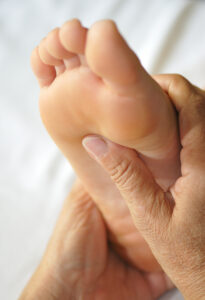
Research published in Complementary Therapies in Clinical Practice found that regular massage therapy reduced pain and improved range of motion in patients with arthritis (Field et al., 2007, ScienceDirect). For those managing arthritis in the feet, gentle Swedish massage and joint mobilization techniques are typically the most effective starting points.
General Muscle Fatigue and Tension
Not all foot pain stems from a diagnosable condition. Prolonged standing, poorly fitting shoes, and overuse can cause generalized aching, cramping, and muscle fatigue. Massage addresses this by releasing tight muscles, improving flexibility, and activating the parasympathetic nervous system—the body’s natural “rest and recover” mode.
Even a short self-massage session using a tennis ball or foam roller can noticeably reduce tension and soreness after a long day on your feet.
Neuropathy
Peripheral neuropathy—nerve damage that causes tingling, numbness, or burning pain in the feet—is a common complication of diabetes and other conditions. While massage cannot reverse nerve damage, it can improve circulation and provide temporary pain relief.
A randomized controlled trial published in Complementary Therapies in Clinical Practice found that foot massage improved peripheral blood circulation and reduced pain scores in patients with diabetic peripheral neuropathy (Dalal et al., 2014, ScienceDirect). This makes massage a valuable supportive therapy, particularly when used alongside conventional medical treatment.
What Other Things Can You Do for Foot Pain?
Massage is most effective when paired with other evidence-based strategies. Here are the most well-supported options.
Stretching and Strengthening Exercises
Tight calves and weak intrinsic foot muscles are common contributors to foot pain. Daily stretching of the Achilles tendon and calf muscles has been shown to reduce plantar fasciitis symptoms, according to research from the Foot & Ankle International journal (DiGiovanni et al., 2003, PubMed). Toe curls, arch raises, and towel scrunches are simple exercises that strengthen the muscles supporting the arch of the foot.
Proper Footwear
The shoes you wear have a direct impact on foot health. The APMA recommends footwear that provides adequate arch support, a wide toe box, and a cushioned sole to absorb impact. Ill-fitting or unsupportive shoes are a leading cause of plantar fasciitis, bunions, and metatarsalgia (APMA, 2023).
If you’re dealing with persistent foot pain, it may be worth seeing a podiatrist for a professional fitting or a custom orthotic prescription.
Orthotics
Custom or over-the-counter orthotic insoles can redistribute pressure across the foot and correct biomechanical imbalances. A systematic review in the British Journal of Sports Medicine found that orthoses are effective in reducing pain associated with plantar fasciitis and other overuse injuries (Landorf & Menz, 2008, PubMed).
Rest and Ice Therapy
For acute injuries or flare-ups, rest and ice application remain cornerstones of treatment. Applying ice for 15 to 20 minutes several times a day can help reduce inflammation and pain. Elevating the feet above heart level further assists with swelling reduction.
Physical Therapy
For persistent or complex foot pain, working with a physical therapist provides access to a tailored rehabilitation program. Physical therapists can address gait abnormalities, muscle imbalances, and structural issues that self-care alone cannot resolve.
When to See a Doctor About Foot Pain
While massage and home remedies help with many types of foot pain, some symptoms require professional evaluation. See a healthcare provider if you experience:
- Severe or sudden-onset pain
- Swelling, bruising, or deformity following an injury
- Numbness or loss of sensation
- Pain that does not improve after two weeks of self-care
- Open sores or wounds, particularly if you have diabetes
Give Your Feet the Care They Deserve
Foot pain doesn’t have to be an accepted part of daily life. Massage therapy—whether performed by a licensed therapist or done at home with simple tools—offers a scientifically supported way to reduce pain, restore mobility, and improve quality of life for a wide range of foot conditions.
National Foot Month is a timely prompt to assess how you’re treating your feet. Start with a few targeted stretches, invest in supportive footwear, and consider booking a professional massage to address any lingering pain. Small, consistent habits can make a significant difference over time.
Frequently Asked Questions
Is foot massage safe for everyone?
Foot massage is generally safe for most people. However, those with deep vein thrombosis, open wounds, severe osteoporosis, or active infections should avoid massage until cleared by a doctor. People with diabetes should seek massage from a therapist experienced in working with neuropathy.
How often should you get a foot massage for pain relief?
Research suggests that two to three sessions per week for several weeks provides the most meaningful results for conditions like plantar fasciitis. Maintenance sessions once a week or bi-weekly can help sustain those improvements.
Can I massage my own feet at home?
Yes. Self-massage using your hands, a tennis ball, or a foam roller can effectively relieve tension and mild pain. Rolling a frozen water bottle under the arch of your foot is a popular home remedy for plantar fasciitis that combines massage with ice therapy.
Does reflexology work for foot pain?
Reflexology—a practice based on the idea that points on the foot correspond to organs throughout the body—is distinct from therapeutic massage. While some people report benefits from reflexology, the evidence for its effectiveness in treating foot pain specifically is limited and largely anecdotal.
What type of massage is best for plantar fasciitis?
Deep tissue massage, myofascial release, and cross-friction massage targeting the plantar fascia and calf muscles are the most evidence-supported techniques for plantar fasciitis. A licensed massage therapist can help determine the right approach based on the severity of your symptoms.
References
- Ajimsha, M. S., Al-Mudahka, N. R., & Al-Madzhar, J. A. (2014). Effectiveness of myofascial release: Systematic review of randomized controlled trials. Journal of the American Osteopathic Association. https://pubmed.ncbi.nlm.nih.gov/24481804/
- American Podiatric Medical Association. (2023). Foot health facts. https://www.apma.org
- Dalal, K., Maran, V. B., Pandey, R. M., & Tripathi, M. (2014). Determination of comparative effectiveness of reflexology and antifungal treatment in relieving symptoms of tinea pedis with diabetic neuropathy. Complementary Therapies in Clinical Practice. https://www.sciencedirect.com/science/article/abs/pii/S1744388114000218
- DiGiovanni, B. F., Nawoczenski, D. A., Lintal, M. E., Moore, E. A., Murray, J. C., Wilding, G. E., & Baumhauer, J. F. (2003). Tissue-specific plantar fascia-stretching exercise enhances outcomes in patients with chronic heel pain. Foot & Ankle International. https://pubmed.ncbi.nlm.nih.gov/14640127/
- Field, T., Diego, M., Cullen, C., Hernandez-Reif, M., Sunshine, W., & Douglas, S. (2007). Fibromyalgia pain and substance P decrease and sleep improves after massage therapy. Complementary Therapies in Clinical Practice. https://www.sciencedirect.com/science/article/abs/pii/S1744388106000946
- Landorf, K. B., & Menz, H. B. (2008). Plantar heel pain and fasciitis. British Journal of Sports Medicine. https://pubmed.ncbi.nlm.nih.gov/18316436/
- Miake-Lye, I. M., Mak, S., Lee, J., Luger, T., Taylor, S. L., Shanman, R., Beroes, J. M., & Shekelle, P. G. (2016). Massage for pain: An evidence map. Journal of Alternative and Complementary Medicine. https://pubmed.ncbi.nlm.nih.gov/26329399/