Married To Massage

Committed to YOUR Health and Wellbeing

916-467-4325 (HEAL)
RESERVE NOW!
  • Home
  • About
  • Services
    • Cherished Chair Massage
    • Deep Tissue and Sports Massage
    • Hot Stone Massage Blend
    • Light Therapy
  • Gift Certificates
  • Conditions
    • TMJ Disorder
    • Golfers Elbow Pain Relief with Massage
    • Sciatic Pain Relief with Massage Therapy
  • Announcements
  • Contact Us

August: National Foot Care Month

August 8, 2026 by marriedtomassage

Tweet

Can Massage Really Help with Foot Pain?

Quick answer: Yes, massage can effectively relieve several types of foot pain, including plantar fasciitis, arthritis, and general muscle tension. Moreover, targeted massage techniques reduce inflammation, improve circulation, and ease chronic discomfort, making foot care more accessible.

Indeed, your feet take a beating every single day. The average person takes between 8,000 and 10,000 steps daily, according to the American Podiatric Medical Association (APMA, 2023). That’s a lot of pressure placed on a complex structure made up of 26 bones, 33 joints, and more than 100 muscles, tendons, and ligaments. So it’s no surprise that foot pain is one of the most common musculoskeletal complaints worldwide.

National Foot Month—celebrated each August—is the perfect reminder to give your feet the attention they deserve. And while there are plenty of ways to address foot pain, massage therapy stands out as a well-researched, drug-free option that can provide meaningful relief. This post breaks down the types of foot pain that massage can help with, what the research says, and what else you can do to keep your feet healthy.

How Does Massage Help with Foot Pain?

Massage works by manipulating the soft tissues of the foot—muscles, tendons, fascia, and connective tissue—to improve circulation, reduce muscle tension, and promote healing. Mechanically, massage increases local blood flow, which delivers oxygen and nutrients to injured tissues while flushing out metabolic waste products that contribute to pain and inflammation.

BOOK NOW

According to a review published in the Journal of Clinical Nursing, therapeutic massage has been shown to significantly reduce musculoskeletal pain and improve functional mobility in patients with chronic pain conditions (Miake-Lye et al., 2016, PubMed). When applied to the foot specifically, these effects translate into measurable improvements in pain scores and quality of life.

What Types of Foot Pain Can Massage Help With?

Plantar Fasciitis

Plantar fasciitis is one of the most common causes of heel pain, affecting roughly 2 million Americans each year (APMA, 2023). It occurs when the plantar fascia—the thick band of tissue running along the bottom of the foot—becomes inflamed due to repetitive stress.

Massage targeting the plantar fascia has demonstrated real clinical benefits. A study published in the Journal of the American Osteopathic Association found that soft tissue manipulation of the plantar fascia and calf muscles significantly reduced pain and improved foot function in patients with plantar fasciitis (Ajimsha et al., 2014, PubMed). Techniques like deep tissue massage, myofascial release, and cross-friction massage are most commonly used for this condition.

Arthritis of the Foot and Ankle

Osteoarthritis and rheumatoid arthritis can both affect the joints of the foot, causing stiffness, swelling, and chronic pain. Massage helps by improving joint mobility, reducing periarticular muscle tension, and promoting lymphatic drainage to reduce swelling.foot massage
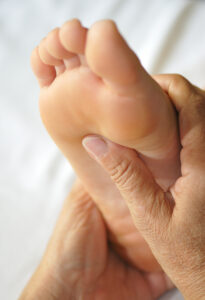
Research published in Complementary Therapies in Clinical Practice found that regular massage therapy reduced pain and improved range of motion in patients with arthritis (Field et al., 2007, ScienceDirect). For those managing arthritis in the feet, gentle Swedish massage and joint mobilization techniques are typically the most effective starting points.

General Muscle Fatigue and Tension

Not all foot pain stems from a diagnosable condition. Prolonged standing, poorly fitting shoes, and overuse can cause generalized aching, cramping, and muscle fatigue. Massage addresses this by releasing tight muscles, improving flexibility, and activating the parasympathetic nervous system—the body’s natural “rest and recover” mode.

Even a short self-massage session using a tennis ball or foam roller can noticeably reduce tension and soreness after a long day on your feet.

Neuropathy

Peripheral neuropathy—nerve damage that causes tingling, numbness, or burning pain in the feet—is a common complication of diabetes and other conditions. While massage cannot reverse nerve damage, it can improve circulation and provide temporary pain relief.

A randomized controlled trial published in Complementary Therapies in Clinical Practice found that foot massage improved peripheral blood circulation and reduced pain scores in patients with diabetic peripheral neuropathy (Dalal et al., 2014, ScienceDirect). This makes massage a valuable supportive therapy, particularly when used alongside conventional medical treatment.

What Other Things Can You Do for Foot Pain?

Massage is most effective when paired with other evidence-based strategies. Here are the most well-supported options.

Stretching and Strengthening Exercises

Tight calves and weak intrinsic foot muscles are common contributors to foot pain. Daily stretching of the Achilles tendon and calf muscles has been shown to reduce plantar fasciitis symptoms, according to research from the Foot & Ankle International journal (DiGiovanni et al., 2003, PubMed). Toe curls, arch raises, and towel scrunches are simple exercises that strengthen the muscles supporting the arch of the foot.

Proper Footwear

The shoes you wear have a direct impact on foot health. The APMA recommends footwear that provides adequate arch support, a wide toe box, and a cushioned sole to absorb impact. Ill-fitting or unsupportive shoes are a leading cause of plantar fasciitis, bunions, and metatarsalgia (APMA, 2023).

If you’re dealing with persistent foot pain, it may be worth seeing a podiatrist for a professional fitting or a custom orthotic prescription.

Orthotics

Custom or over-the-counter orthotic insoles can redistribute pressure across the foot and correct biomechanical imbalances. A systematic review in the British Journal of Sports Medicine found that orthoses are effective in reducing pain associated with plantar fasciitis and other overuse injuries (Landorf & Menz, 2008, PubMed).

Rest and Ice Therapy

For acute injuries or flare-ups, rest and ice application remain cornerstones of treatment. Applying ice for 15 to 20 minutes several times a day can help reduce inflammation and pain. Elevating the feet above heart level further assists with swelling reduction.

Physical Therapy

For persistent or complex foot pain, working with a physical therapist provides access to a tailored rehabilitation program. Physical therapists can address gait abnormalities, muscle imbalances, and structural issues that self-care alone cannot resolve.

When to See a Doctor About Foot Pain

While massage and home remedies help with many types of foot pain, some symptoms require professional evaluation. See a healthcare provider if you experience:

  • Severe or sudden-onset pain
  • Swelling, bruising, or deformity following an injury
  • Numbness or loss of sensation
  • Pain that does not improve after two weeks of self-care
  • Open sores or wounds, particularly if you have diabetes

Give Your Feet the Care They Deserve

Foot pain doesn’t have to be an accepted part of daily life. Massage therapy—whether performed by a licensed therapist or done at home with simple tools—offers a scientifically supported way to reduce pain, restore mobility, and improve quality of life for a wide range of foot conditions.

National Foot Month is a timely prompt to assess how you’re treating your feet. Start with a few targeted stretches, invest in supportive footwear, and consider booking a professional massage to address any lingering pain. Small, consistent habits can make a significant difference over time.

Frequently Asked Questions

Is foot massage safe for everyone?
Foot massage is generally safe for most people. However, those with deep vein thrombosis, open wounds, severe osteoporosis, or active infections should avoid massage until cleared by a doctor. People with diabetes should seek massage from a therapist experienced in working with neuropathy.

How often should you get a foot massage for pain relief?
Research suggests that two to three sessions per week for several weeks provides the most meaningful results for conditions like plantar fasciitis. Maintenance sessions once a week or bi-weekly can help sustain those improvements.

Can I massage my own feet at home?
Yes. Self-massage using your hands, a tennis ball, or a foam roller can effectively relieve tension and mild pain. Rolling a frozen water bottle under the arch of your foot is a popular home remedy for plantar fasciitis that combines massage with ice therapy.

Does reflexology work for foot pain?
Reflexology—a practice based on the idea that points on the foot correspond to organs throughout the body—is distinct from therapeutic massage. While some people report benefits from reflexology, the evidence for its effectiveness in treating foot pain specifically is limited and largely anecdotal.

What type of massage is best for plantar fasciitis?
Deep tissue massage, myofascial release, and cross-friction massage targeting the plantar fascia and calf muscles are the most evidence-supported techniques for plantar fasciitis. A licensed massage therapist can help determine the right approach based on the severity of your symptoms.


References

  • Ajimsha, M. S., Al-Mudahka, N. R., & Al-Madzhar, J. A. (2014). Effectiveness of myofascial release: Systematic review of randomized controlled trials. Journal of the American Osteopathic Association. https://pubmed.ncbi.nlm.nih.gov/24481804/
  • American Podiatric Medical Association. (2023). Foot health facts. https://www.apma.org
  • Dalal, K., Maran, V. B., Pandey, R. M., & Tripathi, M. (2014). Determination of comparative effectiveness of reflexology and antifungal treatment in relieving symptoms of tinea pedis with diabetic neuropathy. Complementary Therapies in Clinical Practice. https://www.sciencedirect.com/science/article/abs/pii/S1744388114000218
  • DiGiovanni, B. F., Nawoczenski, D. A., Lintal, M. E., Moore, E. A., Murray, J. C., Wilding, G. E., & Baumhauer, J. F. (2003). Tissue-specific plantar fascia-stretching exercise enhances outcomes in patients with chronic heel pain. Foot & Ankle International. https://pubmed.ncbi.nlm.nih.gov/14640127/
  • Field, T., Diego, M., Cullen, C., Hernandez-Reif, M., Sunshine, W., & Douglas, S. (2007). Fibromyalgia pain and substance P decrease and sleep improves after massage therapy. Complementary Therapies in Clinical Practice. https://www.sciencedirect.com/science/article/abs/pii/S1744388106000946
  • Landorf, K. B., & Menz, H. B. (2008). Plantar heel pain and fasciitis. British Journal of Sports Medicine. https://pubmed.ncbi.nlm.nih.gov/18316436/
  • Miake-Lye, I. M., Mak, S., Lee, J., Luger, T., Taylor, S. L., Shanman, R., Beroes, J. M., & Shekelle, P. G. (2016). Massage for pain: An evidence map. Journal of Alternative and Complementary Medicine. https://pubmed.ncbi.nlm.nih.gov/26329399/

Filed Under: massage, pain relief, wellness

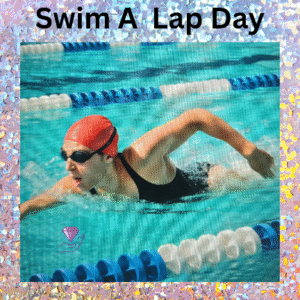
June 24th is Swim a Lap Day!

June 23, 2025 by Katrina Snoke

Tweet

Why Massage Therapy is a Game Changer for Swimmers

Swimming is one of the most demanding sports, requiring immense strength, endurance, and flexibility. Whether you’re a competitive swimmer training for a race or someone hitting the pool for fitness, your muscles undergo a lot of strain. Enter massage therapy, a powerful tool to enhance performance, aid recovery, and support overall well-being.

This blog dives into the benefits of massage therapy, why it’s particularly effective for swimmers, and how to incorporate it into your routine for optimal results.


The Role of Massage Therapy in Swimming

Swimming works nearly every muscle in the body, especially the shoulders, back, core, and legs. Each stroke engages these muscles in repetitive motions, which can lead to fatigue, tightness, or even injury if not managed properly. Massage can address these challenges head-on by reducing tension, minimizing soreness, and boosting circulation.  Massage for Swimmers

For swimmers, massage therapy isn’t just a luxury; it’s a performance-enhancing tool that keeps muscles primed, reduces the risk of injury, and aids faster recovery.


Benefits of Massage for Swimmers

1. Enhances Muscle Recovery

After an intense swim session, your muscles often accumulate lactic acid, leading to soreness and stiffness. Massage can help drain lactic acid through increased blood flow and lymphatic circulation. This promotes faster recovery, ensuring you’re ready for your next swim session sooner.

2. Improves Flexibility and Range of Motion

Swimmers rely on flexibility for efficient strokes. Tight muscles, especially in the shoulders and hips, can restrict movement and reduce performance. By relaxing and lengthening these muscles, massage therapy increases flexibility and supports a greater range of motion, enabling smoother, more effective strokes.

3. Reduces Muscle Tension and Stress

Swimming places repetitive strain on key muscle groups, especially the rotator cuff and surrounding areas. Over time, this tension can lead to discomfort or even overuse injuries. Massage alleviates this by loosening tight muscles and easing stress. It also targets trigger points, which are specific areas of muscle tightness that often cause referred pain.

4. Prevents Injuries

Prevention is always better than cure, particularly in swimming, where overuse injuries like shoulder impingements or lower back strains are common. Massage therapy helps identify and address muscle imbalances, adhesions, or tightness before they lead to injury, keeping you in top condition.

5. Boosts Performance

Feeling like you’ve hit a plateau in your swimming performance? A massage could make a difference. By improving blood flow and muscular balance, massage ensures your muscles can perform at their best. Additionally, relieved tension and a clear mind can contribute to better focus and energy in the pool.

6. Promotes Relaxation and Mental Recovery

Remember, the benefits of massage go beyond the physical. Swimming often requires mental resilience, especially during races or long-distance training. A massage session promotes relaxation, reduces stress, and helps you achieve a state of mental clarity for optimal focus.


Types of Massage Techniques for Swimmers

Different massage techniques cater to various needs. Here are some of the most beneficial for swimmers:

1. Sports Massage

Specially tailored for athletes, sports massage focuses on improving performance and preventing injuries. It often involves deep tissue techniques targeting specific problem areas and pre- or post-swim treatments to optimize recovery.

2. Deep Tissue Massage

For those dealing with persistent tightness or soreness, deep tissue massage aims to release deeper layers of muscle tension. It’s particularly effective for chronic knots and improving mobility over time.

3. Swedish Massage

This is a gentler approach, with light-to-moderate pressure and long, sliding strokes. While it’s less intense, Swedish massage is excellent for relaxation, reducing stress, and aiding general muscle recovery after less demanding swim sessions.

4. Trigger Point Therapy

Trigger point therapy zeroes in on specific “knots” or tight spots in the muscles that cause discomfort. It works wonders for swimmers dealing with localized pain or tension, often in the shoulders or back.


When and How to Incorporate Massage Therapy

Wondering how to integrate massage therapy into your swimming routine? Here’s a practical framework:

  • Pre-event Massage: Aim for a light, invigorating massage to prepare your muscles for peak performance. This can enhance circulation, loosen tight muscles, and improve focus before a race or intense training session.
  • Post-event Massage: After a race or heavy swim practice, opt for moderate pressure to help with recovery, reduce soreness, and drain metabolic waste.
  • Regular Maintenance Massage: For ongoing support, schedule massages weekly or bi-weekly. A consistent schedule helps address long-term muscle tightness and aids overall performance and injury prevention.

Pro Tip 💡 Consider pairing massage therapy with other recovery methods like stretching, hydration, and mobility exercises for maximum benefits.


Real-Life Success Stories

Elite swimmers and Olympic-level athletes often credit massage therapy as a key part of their regimen. Take Michael Phelps, for example. Known for his rigorous training routines, Phelps used a combination of massage, cupping therapy, and other recovery techniques to keep his muscles in peak condition throughout his career.

Whether you’re gunning for Olympic gold or simply striving to beat your personal best, incorporating massage into your routine can significantly elevate your swimming experience.


Choosing a Professional Massage Therapist

When seeking help from a professional massage therapist, look for someone experienced in working with athletes or swimmers. Here are some tips:

  • Ask for Credentials: Make sure they’re certified and trained in sports or therapeutic massage techniques.
  • Communicate Your Needs: Share details about your swimming schedule, common problem areas, or any injuries. This allows the therapist to tailor treatments specifically for you.
  • Read Reviews: Look for reviews or referrals from fellow swimmers to ensure you’re choosing someone reputable.

Final Thoughts: Swim Stronger, Recover Smarter

Massage therapy is a powerful way to support your swimming goals. From faster recovery to enhanced flexibility and reduced risk of injury, the benefits are undeniable. Whether you’re a seasoned competitor or someone swimming for fitness, adding massage therapy to your routine can help you swim stronger, recover smarter, and truly enjoy your time in the water.

Take the plunge and make massage part of your training toolkit! Your muscles will thank you.


Reference Page

  1. American Massage Therapy Association on Sports Massage
  2. Benefits of Massage for Athletes
  3. Michael Phelps’ Recovery Routine

Filed Under: massage, pain relief, wellness Tagged With: boost performance, improve flexibility, prevent injuries, range of motion improvement, recovery, reduce muscle tension

Massage Therapy for Myasthenia Gravis

June 22, 2025 by Katrina Snoke

Tweet

Easing the Challenges of Myasthenia Gravis with Massage Therapy

Living with Myasthenia Gravis (MG) can feel overwhelming, as the condition affects muscles and mobility in ways not always visible to others. Yet, while there’s no outright cure for MG, there are holistic approaches that help ease its symptoms and improve quality of life. Massage therapy stands out as one such integrative tool, offering comfort, relaxation, and functional benefits.

This blog will explore what Myasthenia Gravis is, outline its challenges, and examine the role of massage therapy in managing symptoms. We’ll also include actionable tips, backed by scholarly and website references, to empower individuals with MG or those providing care for loved ones.


What is Myasthenia Gravis?

Myasthenia Gravis is a rare chronic autoimmune disorder. It targets the neuromuscular junction, disrupting communication between nerves and muscles and resulting in muscle weakness. Symptoms often worsen with activity and improve with rest, a hallmark characteristic of MG.

According to the National Institute of Neurological Disorders and Stroke (NINDS, 2020), MG commonly affects muscles that control eye and eyelid movement, facial expression, chewing, swallowing, and even breathing in severe cases. While medication or surgery can manage the disease, integrative approaches like massage therapy provide additional symptom relief.


Common Challenges Faced by Individuals with Myasthenia Gravis

People living with MG encounter physical, emotional, and social challenges. Below are some of the most common ones explained in detail.

1. Physical Fatigue and Weakness

MG’s unpredictability makes physical weakness hard to manage, with even simple activities like lifting groceries or going for a short walk feeling exhausting. Flare-ups can result in complete muscle fatigue, further limiting mobility.

2. Chronic Stress

Chronic stress worsens MG symptoms due to its impact on overall neuromuscular health. Prolonged stress triggers the autonomic nervous system into fight-or-flight mode, exacerbating symptoms like shortness of breath, muscle tension, and fatigue (Singh, 2019).

3. Postural Challenges

Weakness in skeletal muscles can lead to postural imbalances, making it uncomfortable or even painful to maintain proper alignment for extended periods. This often impacts those with MG as they perform daily activities or even engage in rest.


How Massage Therapy Can Help

Massage therapy has emerged as an effective complementary approach for individuals with chronic conditions, including MG, as it helps mitigate symptoms, promotes relaxation, and increases overall well-being.

1. Promotes Relaxation and Reduces Stress

One of massage therapy’s key benefits is its ability to activate the parasympathetic nervous system, or “rest and digest” mode. Stress often intensifies MG symptoms, but relaxing massage movements help alleviate this by lowering cortisol levels and enhancing serotonin and dopamine production (Field, 2016). Popular techniques like Swedish massage focus on long, soothing strokes that encourage mental calmness.

2. Eases Muscle Tension and Improves Flexibility

Muscle tension from postural instability and compensatory overuse can further weaken the targeted areas in MG. Gentle massages, such as myofascial release or lymphatic drainage, address this by promoting blood flow to fatigued muscles, releasing tension, and improving joint mobility. Regular sessions can enhance muscle pliability, reducing physical discomfort.

3. Supports Nervous System Function

Massage therapy directly impacts the body’s autonomic nervous system. Techniques that focus on gentle manipulation—not overly stimulating strokes—work well for those with conditions like MG as they regulate nerve sensitivity (Smith et al., 2021). This can bring balance into the neuromuscular activity that MG disrupts.

4. Improves Circulation and Energy

Massage therapy encourages better blood flow, which ensures vital nutrients are delivered to fatigued muscles while promoting toxin removal. Techniques like lymphatic massage can lift fatigue levels, providing the much-needed energy to tackle daily tasks.

5. Provides Emotional and Social Connection

Receiving massage therapy fosters a sense of care and social support, which can have significant emotional benefits. Touch, as part of therapeutic massage, has been shown to generate feelings of comfort and stability, helping individuals with MG combat isolation and anxiety related to their condition.


Tapping into Massage Therapy for Myasthenia Gravis Relief

If you or someone you care for wants to incorporate massage therapy as part of MG treatment, follow these steps for the best results.

1. Consult Your Healthcare Provider

Start by speaking with a neurologist or healthcare team before initiating massage therapy. They can provide recommendations specific to your condition.

2. Find a Licensed Massage Therapist

Seek a qualified massage therapist well-versed in treating individuals with chronic conditions like MG. Therapists certified in specialties such as lymphatic drainage, myofascial release, or Swedish massage can better tailor the experience.

3. Establish Clear Goals for Therapy

Be clear about your needs. Whether it’s improved flexibility, reduced fatigue, or stress relief, defining goals helps your therapist design techniques that align with your expectations.

4. Stick to a Consistent Schedule

While one session offers immediate benefits, regular massages compound their effect. Create a consistent schedule with your therapist to maintain continuous support.

5. Combine Massage with Other Wellness Practices

Pair massage therapy with other supportive strategies, such as yoga, relaxation techniques like mindfulness meditation, or physical therapy guided by professionals.


Building a Holistic Routine Around Massage Therapy

Massage therapy is not a stand-alone solution but is a significant part of overall symptom management for Myasthenia Gravis. Alongside traditional medical treatments, it offers an approach to enhancing well-being, improving flexibility, and easing mental burdens.

For those navigating MG, consider reaching out to licensed massage practitioners or support groups that offer referrals. Small steps like incorporating a 30-minute massage session could ease the challenges of managing your condition over time.

Looking for More Resources?

Educating yourself on holistic therapies like massage can be empowering. Speak to your care provider, connect with practitioners, and take actionable steps toward a better quality of life today.


References

Field, T. (2016). Massage therapy research review. Complementary Therapies in Clinical Practice, 24, 134-140.

National Institute of Neurological Disorders and Stroke. (2020). Myasthenia Gravis Fact Sheet.

Singh, S. (2019). The role of stress in exacerbating autoimmune disease. Journal of Autoimmune Disorders, 5(2), 78-90.

Smith, J., Haber, L., & Zhou, Y. (2021). Impact of massage therapy on neuromuscular disorders. Journal of Neurology, 35(10), 1509-1515.

https://myastheniagravisnews.com/columns/massage-is-not-just-luxury-those-us-with-myasthenia-gravis/


Filed Under: pain relief, self-care, stress relief, wellness Tagged With: medical massage

Relieve Symptoms of Scleroderma with Massage Therapy

June 12, 2025 by marriedtomassage

Tweet

Scleroderma and Massage Therapy for Symptom Relief

Scleroderma is a chronic autoimmune disease that affects an estimated 300,000 Americans, impacting the skin and connective tissues by causing thickening and hardening. People living with scleroderma often experience symptoms like joint pain, stiffness, fatigue, circulation issues, and even gastrointestinal complications. While traditional medical treatments play an essential role in managing this condition, many people are exploring complementary therapies to improve their quality of life. One such therapy gaining attention is massage.

Because June is Scleroderma Awareness Month, this blog will explore the potential benefits of massage therapy for individuals with scleroderma, how it works, and what you should know before trying it. If you’re living with scleroderma or know someone who is, this guide will provide practical, science-based insights.

How Massage Therapy Helps People with Scleroderma

Massage therapy has long been used as a tool for relaxation, circulation improvement, and pain relief. Although there is no cure for scleroderma, massage therapy may address several symptoms related to the condition. Here’s how it works:

Improving Circulation and Managing Raynaud’s Phenomenon

Raynaud’s phenomenon is a common symptom in people with scleroderma, causing cold, numb, and discolored fingers or toes due to poor blood circulation. Massage therapy can help by manually stimulating blood flow, encouraging better oxygen delivery, and reducing circulation-related discomfort. Techniques like gentle effleurage (long, gliding strokes) can warm the affected areas and promote vascular health.

Increasing Flexibility and Reducing Joint Stiffness

One of scleroderma’s challenges is the hardening of connective tissues, leading to joint stiffness and decreased flexibility. Regular massage therapy may help loosen tight muscles, improve range of motion, and reduce muscular pain. Trigger point therapy and myofascial release techniques are particularly beneficial for targeting localized areas of stiffness.

Enhancing Skin Elasticity

The key characteristic of scleroderma is its effect on the skin’s elasticity. Techniques like manual lymphatic drainage, which employs light pressure and rhythmic motions, can stimulate the lymphatic system and help soften the skin. This approach can also reduce swelling, which is another common symptom.

Reducing Stress and Fatigue

Many people with scleroderma feel physically and emotionally exhausted due to the chronic nature of the disease. Massage therapy promotes the release of serotonin and dopamine, reducing stress levels while improving overall mood and well-being. Even a 30-minute massage session can leave clients feeling refreshed and more capable of managing their day.

Type of Massage Therapy for Scleroderma

Swedish Massage

Swedish massage focuses on using gentle, flowing strokes to relax muscles and improve overall circulation. This technique is particularly beneficial for those experiencing fatigue, stress, or mild muscle tightness.   Book your relaxation massage by following this link and clicking “Reserve Now”

Important Considerations Before Using Massage for Scleroderma

While massage therapy offers many promising benefits, it’s necessary to approach it carefully if you have scleroderma. Here are some key considerations:

  • Consult Your Healthcare Provider: Always seek guidance from your doctor before starting any form of massage therapy, especially if you have severe symptoms or complications.
  • Choose the Right Therapist: Look for a licensed massage therapist with experience working with autoimmune diseases or chronic conditions. Ensure they understand scleroderma’s specific challenges and symptoms.
  • Go Gentle: Scleroderma can make the skin and tissues particularly sensitive. Light pressure and gentle techniques are recommended to avoid discomfort.
  • Communicate Your Needs: Don’t hesitate to share any concerns or preferences with your therapist. Open communication is vital to ensure a comfortable and effective experience.
  • Be Mindful of Open Wounds or Sensitive Skin: If you have ulcers, open wounds, or extremely tender skin, avoid direct contact with these areas during your session.

The Science Behind Massage Therapy and Scleroderma

Research into massage therapy for scleroderma is still emerging, but existing studies suggest promising results. A study published in the “Journal of Bodywork and Movement Therapies” found that myofascial release techniques positively impacted patients with systemic sclerosis, improving mobility and reducing pain. Additionally, massage has been widely studied for its general benefits, such as reducing cortisol levels, improving immunity, and enhancing overall circulation.

While more research is required to establish a direct connection between massage therapy and scleroderma management, anecdotal evidence and small-scale studies strongly support its complementary role in improving quality of life.

Building a Comprehensive Care Plan with Massage Therapy

Adding massage therapy to your care routine can be a game-changer, but it’s not a standalone treatment. Instead, it works best when paired with medical therapies, physical activity, and other self-care practices. Here’s a quick guide to building a well-rounded care plan:

  • Medication Management: Follow your doctor’s instructions for prescribed medications.
  • Physical Therapy: Work with a physiotherapist to improve mobility and strength.
  • Diet: Maintain an anti-inflammatory diet rich in fresh fruits, vegetables, and healthy fats.
  • Self-Massage: Learn simple self-massage techniques to use at home between sessions.
  • Stress Management: Practice mindfulness or engage in other activities to manage emotional stress.

Taking the Next Step

Massage therapy offers an effective way to alleviate some of the physical and emotional burdens of scleroderma. Beyond its physical benefits, it provides an opportunity for relaxation, self-care, and connection with your body in a holistic way.

If you’re considering massage therapy, start by talking to your healthcare provider about incorporating this practice into your wellness routine. Whether you opt for Swedish massage, myofascial release, or manual lymphatic drainage, each session is a step toward improving your quality of life.

Further Resources

If you’re interested in learning more about massage therapy for scleroderma, here are a few informative websites to explore:

  1. Scleroderma Foundation – www.scleroderma.org
  2. National Center for Complementary and Integrative Health (NCCIH) – www.nccih.nih.gov
  3. American Massage Therapy Association (AMTA) – www.amtamassage.org

References

  1. Zegarra-Parodi, R., & Bonnard, A. “Effects of Myofascial Release on Patients with Systemic Sclerosis.” Journal of Bodywork and Movement Therapies.
  2. Field, Tiffany, et al. “Massage therapy in the treatment of chronic inflammation.” Complementary Therapies in Clinical Practice.
  3. Mayo Clinic Staff. “Scleroderma Overview.” Mayo Clinic.
  4. Arthritis Foundation. “Alternative Treatments for Scleroderma.” Arthritis.org.

Filed Under: massage, pain relief, self-care, wellness Tagged With: anti-inflammatory, massage, scleroderma

Unraveling the Connection Between Dehydration and Massage Therapy

November 21, 2024 by marriedtomassage

Tweet

Dehydration is a common but often overlooked health issue that can affect everyone, from athletes to wellness enthusiasts. If you’re a regular massage therapy client, understanding how dehydration interacts with your treatments can enhance your overall wellbeing.

Signs That You Are Dehydrated

It’s important to recognize the signs of dehydration so you can take appropriate actions. While many signs are physical, some can subtly affect your mental state, too.

  • Thirst is often the first signal. If you’re thirsty, it’s likely your body is already mildly dehydrated.
  • Dry skin and lips, indicating a lack of moisture in your body.
  • Fatigue and dizziness can hit when your body doesn’t have enough water to function optimally.
  • Dark urine is a clear sign of dehydration. Ideally, your urine should be a pale yellow. If it’s dark yellow or amber, you need to drink more water.
  • Headaches and muscle cramps are common symptoms of moderate dehydration. They occur because your body is losing electrolytes and essential minerals through sweating.
  • Joint pain can arise because the cartilage in joints mostly consists of water, and when you’re dehydrated, it can compromise joint cushioning.
  • Postural imbalances and discomfort due to dehydration of fascia
  • Reduced myofascial elasticity impacts the body’s ability to absorb shock and endure prolonged physical activity without strain.
  • Slower recovery from injuries or chronic conditions: Adequate hydration is crucial for proper healing and recovery. Without enough fluids in your body, your tissues cannot repair themselves effectively.

What Your Massage Therapist Sees

Massage therapists are trained to notice various signs in their clients that might indicate dehydration:

  • Taut, less elastic skin can suggest that your body’s hydration level is down.
  • Muscle tightness could also be a clue, as hydrated muscles have more elasticity.
  • Dry or flaky skin can be a result of dehydration, and massage therapists may notice this during the treatment. This can affect the skin’s ability to absorb and retain moisture, which is essential for healthy skin.
  • Postural misalignment. When dehydrated, fascia can become sticky or dry, limiting its ability to glide and move smoothly. This can result in postural imbalances and discomfort during movement.
  • Limited range of motion is often seen in dehydrated clients, as their muscles are less pliable.

How Dehydration Affects Massage Therapy Session

Dehydration can have a significant impact on your massage therapy session in several ways:

  • Reduced effectiveness of the massage. When your muscles are dehydrated, they become less pliable and more difficult to manipulate during a massage. This can result in a less effective treatment.
  • Increased muscle soreness. If you’re dehydrated, you might experience more discomfort during and after your massage session as your muscles will be more sensitive.
  • Poor circulation. Without enough fluids, blood cannot flow effectively throughout the body, leading to reduced circulation and potentially causing pain or stiffness.
  • A slower response to the massage might occur as dehydration often leads to sluggishness in muscle and skin response. This can also impact your body’s healing process.
  • Less effective muscle manipulation: Hydrated muscles are more pliable, making it easier for the therapist to manipulate them for a deeper, more effective massage.
  • More intense pain during deep tissue work: When your muscles and fascia tissues lack moisture, they become less flexible and more likely to resist deep muscle manipulation. This can result in increased pain during certain techniques.

Schedule Massage Appointment

Hydration Tips for Optimal Massage Therapy Results

To ensure you get the most out of your massage therapy sessions, maintaining proper hydration is crucial. Here are some practical tips to help you stay hydrated:

  • Drink water regularly throughout the day. Aim for at least 8 glasses of water daily, and increase your intake if you’re engaging in strenuous activities or if the weather is particularly hot. 
  • Incorporate hydrating foods into your diet. Fruits and vegetables like cucumbers, watermelon, strawberries, and lettuce have high water content and can contribute significantly to your hydration levels.
  • Limit dehydrating beverages such as caffeine and alcohol, which can lead to increased fluid loss.
  • Drink water before and after your massage. Hydrating before your session helps prepare your muscles for manipulation, while drinking after assists in flushing toxins that may be released during the massage.
  • Listen to your body’s signals. Pay attention to cues like dry mouth or fatigue, which might indicate it’s time to rehydrate.

By staying adequately hydrated, you can enhance the effectiveness of your massage therapy and support your body’s natural healing processes. Remember, consistent hydration is key to overall wellness and can significantly improve your physical and mental well-being.

Conclusion

Proper hydration is crucial for maintaining optimal overall health and getting the most out of your massage therapy sessions. By staying hydrated before, during, and after your sessions, you can improve the effectiveness of your massage, reduce muscle soreness, and support your body’s healing processes. Pay attention to the signs of dehydration and incorporate practical hydration tips into your daily routine for a healthier, more hydrated you. Your body will thank you!

References

  • “Dehydration: Overview.” Mayo Clinic, Mayo Foundation for Medical Education and Research, 6 Mar. 2021, Dehydration – Symptoms & causes – Mayo Clinic
  • “Hydration & Massage Therapy.” The Lauterstein-Conway Massage School & Clinic Blogs, 20 Sept. 2018, www.tlcschool.com/hydration-massage-therapy/.
  • “Importance of Drinking Water for Healthy Skin.” Cleveland Clinic, Cleveland Clinic Foundation, 14 Nov. 2019, my.clevelandclinic.org/health/articles/14170-importance-of-drinking-water-for-healthy-skin.
  • Rebergen D., J.L.M., Bruinvels, G.J., van Mechelen W., and Verhagen E.A.L.M. “Monitoring stress and recovery: New insights for the prevention of injuries and illnesses in elite youth soccer players,” Br J Sports Med (2016), doi:10.1136/bjsports-2015-095035. Accessed 23 Apr. 2021.
  • “Stay Hydrated with These Fruit-Infused Water Ideas.” Centers for Disease Control and Prevention, U.S. Department of Health and Human Services, 21 Nov. 2017, www.cdc.gov/healthyweight/healthy_eating/water-and-healthier-drinks.html#fruit-infused-water.
  • Williams K.J., Levett D.Z.H., Grocott M.P.W. “Changes in skeletal muscle oxygenation during off-pump CABG surgery: a NIRS study,” Perfusion (2002), doi:10.1191/0267659103pf695oa. Accessed 23 Apr. 2021.
  • Young L., M.E. “The physiological basis of physical performance,” Physical Education Review, vol. 20, no.2 (1997), doi:10.1016/j.pebr.2015.02.005. Accessed 23 Apr. 2021.
  • “Your Guide to Physical Activity and Your Heart.” National Heart, Lung, and Blood Institute, U.S. Department of Health and Human Services, June 2015, Your Guide to Physical Activity and Your Heart | NHLBI, NIH

Additional Information:

Some other factors that can contribute to dehydration include excessive sweating, vomiting or diarrhea, high altitude environments, and certain medications such as diuretics. It’s important to consult with your doctor if you are experiencing frequent or severe dehydration.

Additionally, it’s essential to listen to your body and adjust your water intake accordingly. Factors such as age, weight, activity level, and overall health can all affect your individual hydration needs.

Filed Under: hydration, massage, pain relief, self-care, water, wellness Tagged With: dehydration, dry, fascia, massage, muscles, posture, skin, therapy, water

  • 1
  • 2
  • Next Page »
(916) 467-4325

Improve your posture and range of motion with massage.  Stress Less with a Hot Stone massage.

Copyright © 2026 · Married To Massage · 2118 P St Ste B
Sacramento , CA 95816 · Powered by ThriveHive

Copyright © 2021 · Married To Massage
2118 P St Ste B Sacramento, CA 95816