Married To Massage

Committed to YOUR Health and Wellbeing

916-467-4325 (HEAL)
RESERVE NOW!
  • Home
  • About
  • Services
    • Cherished Chair Massage
    • Deep Tissue and Sports Massage
    • Hot Stone Massage Blend
    • Light Therapy
  • Gift Certificates
  • Conditions
    • TMJ Disorder
    • Golfers Elbow Pain Relief with Massage
    • Sciatic Pain Relief with Massage Therapy
  • Announcements
  • Contact Us

August 15th is National Relaxation Day!

August 15, 2024 by marriedtomassage

Tweet

Discover the Ultimate Guide to National Relaxation Day Bliss

Introduction

In a world that never seems to slow down, finding time to relax can feel like searching for a rare gem. But what if we told you there’s a day dedicated entirely to relaxation? Welcome to National Relaxation Day, a celebration designed to encourage everyone to take a step back and indulge in some well-deserved self-care. For all the wellness enthusiasts and self-care advocates out there, this is your chance to truly unwind and rejuvenate. This blog post will explore three great ways to relax on National Relaxation Day, offering practical tips and insights to help you achieve ultimate tranquility. From massages to stress relief techniques, we’ve got you covered.

The Importance of Relaxation  National Relaxation Day 2024
Why Relaxation Matters

Relaxation is more than just a luxury; it’s a necessity for both physical and mental well-being. When we take the time to relax, we allow our bodies to recover from the constant demands of daily life. This not only helps to reduce stress but also boosts our immune system and improves our overall health. For wellness enthusiasts and self-care advocates, understanding the importance of relaxation is the first step towards a healthier, happier life.

The Science Behind Relaxation

Scientific studies have shown that relaxation techniques can significantly reduce stress hormones like cortisol. Lower cortisol levels contribute to better sleep, improved mood, and even enhanced cognitive function. By integrating relaxation into your routine, you’re not just pampering yourself; you’re investing in your long-term health and well-being.

Benefits of Regular Relaxation

Incorporating regular relaxation practices into your life can lead to numerous benefits, including increased energy levels, better focus, and a more positive outlook on life. Whether you’re a busy professional or a stay-at-home parent, finding time to relax can make a world of difference in your daily life.

Three Great Ways to Relax

1. Massage Therapy

The Healing Power of Touch

One of the most effective ways to relax is through massage therapy. Massages work by manipulating the muscles and tissues to relieve tension and promote relaxation. This ancient practice has been used for centuries to treat a variety of ailments and improve overall well-being.

Different Types of Massages

There are several types of massages to choose from, each offering unique benefits. Swedish massages, for example, are great for overall relaxation and stress relief. Deep tissue massages, on the other hand, target deeper layers of muscle and are ideal for those with chronic pain or tightness. Hot stone massages use heated stones to relax muscles and improve circulation, providing an extra layer of relaxation.

Finding the Right Massage for You

To get the most out of your massage experience, it’s essential to choose the right type of massage for your needs. Speak with a professional massage therapist to discuss your specific concerns and preferences. They can guide you in selecting the best massage technique to achieve maximum relaxation and stress relief.

2. Practicing Mindfulness and Meditation

The Basics of Mindfulness

Mindfulness is the practice of being fully present in the moment, aware of your thoughts and feelings without judgment. This simple yet powerful technique can help reduce stress, improve focus, and enhance emotional well-being. For self-care advocates, mindfulness is a must-have tool in your relaxation toolkit.

Benefits of Meditation

Meditation is a form of mindfulness that involves focusing your mind on a particular object, thought, or activity to achieve mental clarity and emotional calm. Regular meditation practice has been shown to reduce anxiety, improve concentration, and even lower blood pressure. It’s a versatile and accessible way to relax and recharge.

How to Get Started with Meditation

Starting a meditation practice doesn’t have to be complicated. Begin with just a few minutes each day, gradually increasing the duration as you become more comfortable. There are numerous apps and online resources available to guide you through the process, making it easy to incorporate meditation into your daily routine.

3. Engaging in Physical Activity

The Connection Between Exercise and Relaxation

While it may seem counterintuitive, physical activity is one of the best ways to relax. Exercise helps to release endorphins, the body’s natural stress-relievers, and promotes a sense of well-being. For wellness enthusiasts, incorporating regular physical activity into your routine is essential for achieving balance and relaxation.

Types of Relaxing Physical Activities

Not all physical activities have to be intense to be effective. Gentle exercises like yoga, tai chi, and walking can provide significant relaxation benefits. These activities help to stretch and strengthen the body while promoting mental clarity and emotional calm.

Creating a Balanced Exercise Routine

To get the most out of your physical activity, aim for a balanced routine that includes both cardio and strength training exercises. Don’t forget to incorporate stretching and cool-down activities to prevent injury and enhance relaxation. Listen to your body and choose activities that you enjoy to ensure that your exercise routine remains sustainable and enjoyable.

Conclusion

The Takeaway

National Relaxation Day is the perfect opportunity to prioritize self-care and indulge in activities that promote relaxation and well-being. Whether you choose to enjoy a soothing massage, practice mindfulness and meditation, or engage in gentle physical activities, remember that relaxation is an essential part of a healthy lifestyle.

Call to Action

Ready to take your relaxation to the next level? Book a session with one of our expert massage therapists, join a mindfulness meditation class, or explore our range of relaxing physical activities. Celebrate National Relaxation Day by treating yourself to the ultimate self-care experience and discover the profound benefits of relaxation.

By incorporating these three great ways to relax into your routine, you’ll be well on your way to a more balanced, stress-free life. Don’t wait—start your relaxation journey today and experience the transformation for yourself. Your body, mind, and soul will thank you for it. So why wait? Start incorporating relaxation into your daily routine and reap the countless benefits it has to offer. Remember, self-care is not selfish; it’s necessary for living a happy and healthy life. Happy National Relaxation Day!

#NationalRelaxationDay #SelfCare #StressManagement

References

  • “Massage Therapy: What You Need To Know,” National Center for Complementary and Integrative Health, U.S. Department of Health & Human Services, https://www.nccih.nih.gov/health/massage-therapy-what-you-need-to-know.
  • “Mindfulness: What It Is and How to Practice It,” Mayo Clinic, https://www.mayoclinic.org/healthy-lifestyle/consumer-health/in-depth/mindfulness-exercises/art.
  • “Meditation: A Simple, Fast Way to Reduce Stress,” Mayo Clinic, https://www.mayoclinic.org/tests-procedures/meditation/in-depth/meditation/art.
  • “Physical Activity for a Healthy Weight,” Centers for Disease Control and Prevention, U.S. Department of Health & Human Services, https://www.cdc.gov/healthyweight/physical_activity/index.html

Filed Under: Uncategorized

Step Up Your Game This August

August 4, 2024 by marriedtomassage

Tweet

August is Foot Health Awareness Month!

Every step you take plays a significant role in your overall health and well-being. That’s why August, designated as National Foot Health Awareness Month, is the perfect time to focus on the health of your feet. Whether you’re a runner, athlete, walker, or general health enthusiast, understanding how to care for your feet can make all the difference in your fitness and daily life.

In this blog post, we’ll explore various aspects of foot health, from the benefits of massage to managing plantar fasciitis. By the end, you’ll have practical tips and valuable insights to keep your feet in top condition.  Foot Health

The Importance of Foot Health

Your feet are the foundation of your body, supporting you through all activities. Neglecting foot health can lead to various issues, from minor discomfort to severe pain. Proper foot care ensures longevity in sports and daily activities, enhancing overall quality of life.

How Foot Health Affects Performance

Healthy feet contribute to better performance in sports and physical activities. When your feet are free from pain and discomfort, you can push yourself harder and achieve greater results. Ignoring foot health can result in injuries that sideline you for weeks or even months.

Common Foot Problems

Foot health issues like blisters, calluses, and ingrown toenails are prevalent but often ignored. These minor problems can escalate into more significant issues if not addressed promptly. Regular foot check-ups and proper hygiene can prevent these common problems.

Massage Therapy and Foot Health

Massage therapy can play a pivotal role in maintaining foot health. It not only helps in relieving pain but also improves circulation and flexibility.

Benefits of Foot Massage

Foot massage can alleviate stress and tension, providing relief from aches and pains. It enhances blood flow, which is crucial for healing injured tissues and muscles. Improved circulation also helps in reducing swelling and inflammation.

BOOK YOUR MASSAGE BY CLICKING THIS LINK THEN “RESERVE NOW”

Techniques for Effective Foot Massage

Various techniques can be employed for an effective foot massage. Using your thumbs to apply gentle pressure on the soles, heels, and toes can work wonders. Incorporating essential oils can add to the relaxation and therapeutic benefits.

DIY Foot Massage Tips

You don’t always need a professional massage therapist. Simple DIY techniques can be equally effective. Rolling a tennis ball under your foot or using a foot roller can provide immediate relief from discomfort.

Understanding Plantar Fasciitis

Plantar fasciitis is one of the most common foot problems among athletes and walkers. It involves inflammation of the plantar fascia, causing severe heel pain.

Symptoms of Plantar Fasciitis

The most noticeable symptom is stabbing pain near the heel. The pain is usually worse in the morning but improves with activity. However, it can return after long periods of standing or after exercise.

Causes of Plantar Fasciitis

Several factors can contribute to plantar fasciitis. Overuse, improper footwear, and tight calf muscles are common causes. Understanding these factors can help in preventing this painful condition.

Preventing Plantar Fasciitis

Preventive measures include wearing supportive footwear, stretching exercises, and maintaining a healthy weight. Custom orthotics can also provide additional support and prevent the onset of plantar fasciitis.

Remedies for Plantar Fasciitis

If you already suffer from plantar fasciitis, several remedies can help alleviate the pain and speed up recovery.

Stretching Exercises

Stretching exercises can help in relieving tightness and tension in the plantar fascia. Simple stretches like standing calf stretches and toe curls can provide quick relief.

Ice Therapy

Applying ice to the affected area can reduce inflammation and pain. You can use a frozen water bottle or a bag of frozen vegetables for this purpose.

Night Splints

Wearing night splints helps in keeping the foot stretched overnight, reducing morning heel pain.

Over-the-Counter Remedies

Non-steroidal anti-inflammatory drugs (NSAIDs) can provide temporary relief from pain and inflammation. Consult a healthcare professional before starting any medication.

Footwear Choices for Optimal Health

The right footwear is crucial for maintaining foot health. Investing in quality shoes can prevent many foot-related issues.

Choosing the Right Running Shoes

For runners, choosing the right shoes is essential. Look for shoes that offer good arch support, cushioning, and a snug fit. Replace your running shoes every 300-500 miles to ensure they provide adequate support.

Everyday Footwear Tips

Even your everyday footwear plays a role in foot health. Avoid high heels and opt for shoes with good arch support. Ensure that your shoes fit well and provide ample room for your toes.

Orthotics and Insoles

Custom orthotics and insoles can provide added support and comfort. They are beneficial for individuals with flat feet, high arches, or other foot abnormalities. Consult a podiatrist to get the right orthotics for your needs.

The Role of Nutrition in Foot Health

Nutrition plays a vital role in maintaining healthy feet. A balanced diet can prevent various foot problems and support overall health.

Essential Nutrients for Foot Health

Certain nutrients like calcium, vitamin D, and magnesium are essential for bone health. Incorporate foods rich in these nutrients to ensure your feet remain strong and healthy.

Hydration and Foot Health

Staying hydrated is crucial for maintaining skin elasticity and preventing dryness and cracking. Drink plenty of water throughout the day to keep your feet hydrated and healthy.

Foods to Avoid

Certain foods can exacerbate foot problems. High-sugar and high-fat diets can lead to inflammation and worsen conditions like gout. Avoiding these foods can improve foot health and overall well-being.

Foot Care Tips for Runners

Runners need to pay special attention to their feet to prevent injuries and maintain performance.

Pre and Post-Run Foot Care

Before a run, ensure your feet are clean and dry. After your run, inspect your feet for any blisters or sores. Apply moisturizer to keep your skin soft and prevent cracking.

Socks Matter

Wearing the right socks can make a significant difference. Opt for moisture-wicking socks to keep your feet dry and prevent blisters. Avoid cotton socks as they retain moisture.

Foot Strengthening Exercises

Strengthening exercises for the feet can prevent injuries and enhance performance. Exercises like toe curls and heel raises can improve strength and flexibility.

The Importance of Regular Foot Check-Ups

Regular foot check-ups with a podiatrist can prevent many foot problems. Early detection and treatment can save you from severe pain and complications.

What to Expect During a Foot Check-Up

During a foot check-up, a podiatrist will examine your feet, assess your gait, and identify any potential issues. They may recommend treatments or lifestyle changes to improve foot health.

Finding the Right Podiatrist

Finding a qualified podiatrist is crucial. Look for someone with experience in treating athletes and active individuals. Ask for recommendations from friends or healthcare providers.

How Often Should You See a Podiatrist?

The frequency of visits depends on your activity level and foot health. Athletes and runners may benefit from quarterly check-ups, while others may only need annual visits.

Building a Foot-Friendly Routine

Incorporating foot care into your daily routine can prevent many common foot problems and keep your feet healthy.

Daily Foot Care Habits

Wash your feet daily with soap and water, and dry them thoroughly, especially between the toes. Apply moisturizer to prevent dryness and cracking.

Weekly Foot Care Routine

Once a week, give your feet some extra attention. Soak them in warm water, exfoliate to remove dead skin, and trim your nails straight across to prevent ingrown toenails.

Monthly Foot Care Practices

Every month, inspect your shoes for wear and tear. Replace any shoes that no longer provide adequate support. Check your feet for any changes or abnormalities.

Conclusion

Foot health is crucial for overall well-being, and it’s never too late to start taking care of your feet. With proper hygiene, regular check-ups, massage therapy, and preventive measures, you can ensure that your feet stay healthy

Stretching exercises targeting the calf muscles and Achilles tendon can relieve tension on the plantar fascia. Regular stretching can improve flexibility and reduce pain over time.

National Foot Health Awareness Month is the perfect opportunity to prioritize your foot health. By incorporating these tips and practices into your routine, you can enjoy healthier, happier feet.

If you’re looking for more personalized advice, consider booking a consultation with a podiatrist or foot health specialist. Remember, taking care of your feet today ensures you can keep moving forward tomorrow.

Stay tuned for more foot health tips and join our community of health enthusiasts dedicated to living their best lives, one step at a time.

REFERENCES:

  • American Podiatric Medical Association. (n.d.). Foot Health. Retrieved from https://www.apma.org/your-foot-health
  • Mayo Clinic. (2021). Foot Pain: Symptom and Causes. Retrieved from https://www.mayoclinic.org/symptoms/foot-pain/basics/causes/sym-20050792
  • National Institute of Arthritis and Musculoskeletal and Skin Diseases. (2018). Foot Problems in Athletes. Retrieved from https://www.niams.nih.gov/nanos/wellness-and-lifestyle/exercise/athletic-injuries/foot-problems-athletes
  • Sheridan, R. (2020). A Podiatrist’s Guide to Healthy Feet and Footwear. Retrieved from https://www.runnersworld.com/health-injuries/a20807435/foot-care-guide/
  • The Institute for Preventive Foot Health (2021). National Foot Health Awareness Month. Retrieved from https://preventivefoothealth.org/national-foot-health-awareness-month/ Investing in quality shoes can prevent many foot-related issues, but it’s also important to take care of your feet on a daily basis. By following these tips and incorporating them into your routine, you can maintain healthy feet and prevent common foot problems that can hinder your mobility and overall well-being.

Remember, taking care of your feet is an investment in your overall health and quality of life. Don’t neglect them, and be sure to consult a podiatrist if you experience any ongoing foot pain or trouble with mobility.

Let’s continue spreading awareness about the importance of foot health and encourage others to prioritize caring for their feet! Share this article with your friends and family, and let’s support each other in our journey towards healthier, happier feet. So keep moving forward one step at a time! #FootHealthAwareness #HealthyFeetHealthyLife Happy National Foot Health Awareness Month!

Are you taking proper care of your feet? Drop a comment below and share your favorite foot care tips!

Filed Under: massage, pain relief, plantar fasciitis, stretches, wellness Tagged With: august, feet, foot, health, massage

Discover the Benefits of Cold Stone Massage Therapy

July 11, 2024 by marriedtomassage

Tweet

In the world of wellness and relaxation, massage therapy stands out as a timeless method for alleviating stress, reducing pain, and promoting overall health. While most people are familiar with hot stone massages, there’s another equally beneficial technique that’s gaining popularity—cold stone massage therapy.

What is Cold Stone Massage Therapy?COLD STONE MASSAGE

Cold stone massage therapy involves the use of smooth, chilled stones, typically made of marble or other natural stones, applied to the body. These stones are strategically placed on and around areas of tension, inflammation, or pain. Unlike hot stones, which heat the muscles and increase blood flow, cold stones are used to reduce inflammation and soothe the nervous system.

The Benefits of Cold Stone Massage Therapy

1. Reduces Inflammation and Swelling

Cold stone massage is highly effective in reducing inflammation and swelling, making it ideal for those suffering from injuries or chronic pain. The cold stones constrict blood vessels, which helps decrease inflammation and promote healing.

2. Alleviates Migraines and Headaches

One of the standout benefits of cold stone therapy is its ability to relieve migraines and headaches. Placing cold stones on the temples, forehead, and neck can reduce the tension and pain associated with these conditions. Many migraine sufferers find significant relief after just one session.

3. Relieves Muscle Tension

While hot stones are known for relaxing muscles, cold stones can also be beneficial in alleviating muscle tension. The cooling effect of the stones helps to calm and relax the nervous system, leading to reduced muscle spasms and tension.

COLD-Stone Therapy Relaxing Massage DEAL

4. Enhances Circulation

Alternating between hot and cold stones can stimulate the circulatory system, promoting better blood flow and oxygenation throughout the body. This can lead to improved overall health and a sense of rejuvenation.

5. Improves Skin Tone and Appearance

Cold stone massage can benefit the skin by tightening and toning it. The cool temperature of the stones can help reduce puffiness and improve the appearance of your skin by closing pores and reducing redness.

6. Boosts Mental Clarity and Focus

The soothing nature of cold stone massage can have a profound impact on mental well-being. It can help reduce stress and anxiety, leading to improved mental clarity and focus. Many clients report feeling more balanced and centered after a session.

What to Expect During a Cold Stone Massage Session

If you’re considering trying cold stone massage therapy, here’s what you can expect:

Initial Consultation

Your session will begin with an initial consultation where your therapist will discuss your health history, any specific areas of concern, and your overall goals for the massage. This ensures that the therapy is tailored to your individual needs.

The Massage Process

During the massage, your therapist will use chilled stones that have been stored in a refrigerator or ice chest. These stones will be placed on various parts of your body, including your back, neck, face, and limbs. The therapist may also use a combination of cold and hot stones to enhance the therapeutic effect.

Post-Massage Care

After the massage, it’s important to stay hydrated and give your body time to adjust. You may experience a sense of deep relaxation and relief from pain and inflammation. Your therapist may provide additional tips for maintaining the benefits of the therapy.

Is Cold Stone Massage Therapy Right for You?

Cold stone massage therapy can be beneficial for a wide range of individuals, especially those dealing with inflammation, chronic pain, or migraines. However, it’s always best to consult with a healthcare professional before starting any new therapy, particularly if you have underlying health conditions.

Conclusion

Cold stone massage therapy is a refreshing and effective way to address various physical and mental health issues. Whether you’re looking to reduce inflammation, alleviate headaches, or simply enjoy a unique and soothing massage experience, cold stone therapy offers a host of benefits that can enhance your well-being.

Ready to experience the cooling relief of cold stone massage therapy? Book a session with one of our skilled therapists today and discover the rejuvenating power of this innovative technique. Your body and mind will thank you.

REFERENCES: // Optional

  • “The Benefits of Cold Stone Massage Therapy,” by Aura Wellness Center, https://www.aurawellnesscenter.com/2013/01/02/the-benefits-of-cold-stone-massage-therapy/
  • “Cold Stone Massage: What are the Benefits?”by Paola Bassanese, https://www.puremassage.com/cold-stone-massage-benefits/
  • “Reduce Inflammation and Swelling with Cold Stones,” by Integrative Healthcare Solutions, http://integrativehealthcaresolutionsmt.com/reduce-inflammation-and-swelling-with-cold-stones/
  • “Cold Stone Massage Benefits for Migraines,” by Verywell Health, https://www.verywellhealth.com/cold-stone-massage-for-migraines-89860
  • “How to Use Hot and Cold Stones in Massage Therapy,” by MASSAGE Magazine, https://www.massagemag.com/how-to-use-hot-and-cold-stones-in-massage-therapy-95864/

DISCLAIMER:

Massage therapy should not be used as a substitute for medical treatment or diagnosis. If you have any underlying health conditions or concerns, please consult with your healthcare provider before trying cold

Filed Under: anti-inflammatory, ColdTherapy, massage, pain relief, self-care, wellness Tagged With: anti-inflammatory, cold therapy, massage, stones, wellness

Massage for Emotional Trauma

June 21, 2024 by marriedtomassage

Tweet

Healing Hearts How Massage Therapy Can Soothe Emotional Trauma

Discover the Calming Power of Touch

Are you struggling with emotional trauma? You’re not alone. Many people carry invisible wounds that can be just as debilitating as physical injuries. But there’s hope. In recent years, massage therapy has been gaining recognition as a powerful tool for healing emotional trauma. Through the soothing power of touch, you can find relief and start your journey toward emotional well-being.
This blog post will explore the benefits of massage therapy for emotional trauma. You’ll learn how it works, the different types of massage that can help, and practical tips for integrating it into your life. Let’s uncover the healing potential of massage therapy together.

RESERVE YOUR HEALING MASSAGE NOW

What is Emotional Trauma?

Unpacking Emotional Trauma

Before we dive into the benefits of massage therapy, it’s essential to understand what emotional trauma is. Emotional trauma occurs when an individual experiences a distressing event or series of events that overwhelm their ability to cope. This can include anything from childhood abuse to witnessing a tragic accident.

Symptoms of Emotional Trauma

People with emotional trauma may experience a variety of symptoms, including anxiety, depression, flashbacks, and difficulty trusting others. These symptoms can be persistent and may interfere with daily life.

Long-Term Effects

If left untreated, emotional trauma can have long-term effects on both mental and physical health. It can lead to chronic stress, cardiovascular issues, and even a weakened immune system. That’s why finding effective ways to manage and heal from trauma is so important.

How Massage Therapy Works

The Science Behind Massage

Massage therapy involves manipulating the muscles and soft tissues of the body to promote relaxation and healing. But how does it work on an emotional level?

Release of Endorphins

One of the key benefits of massage is the release of endorphins, the body’s natural painkillers. These chemicals help reduce pain and promote a sense of well-being. They can be particularly beneficial for those dealing with emotional trauma, as they provide a natural mood boost.

Reduction of Cortisol Levels

Cortisol is known as the stress hormone. High levels of cortisol can contribute to anxiety and other negative emotions. Massage therapy has been shown to reduce cortisol levels, helping to alleviate stress and promote relaxation.

Types of Massage for Emotional Healing

Swedish Massage

Swedish massage is one of the most popular forms of massage therapy. It involves long, flowing strokes designed to relax the entire body. This type of massage is excellent for reducing stress and promoting overall relaxation, making it a good choice for those dealing with emotional trauma.

Deep Tissue Massage

Deep tissue massage targets the deeper layers of muscle and connective tissue. It involves slower, more forceful strokes and is ideal for releasing chronic muscle tension. This type of massage can be particularly beneficial for those who hold their stress and trauma in their muscles.

Aromatherapy Massage

Aromatherapy massage combines the benefits of massage with the healing properties of essential oils. Different oils can be used to address specific emotional issues, such as anxiety or depression. The combined effect can provide a powerful sense of relaxation and emotional relief.

The Emotional Benefits of Massage

Improved Mood

Regular massage therapy sessions can lead to an overall improvement in mood. The release of endorphins and reduction in cortisol levels work together to create a more positive emotional state. This can be especially helpful for those struggling with depression or anxiety.

Enhanced Emotional Awareness

Massage therapy encourages mind-body awareness. By focusing on the sensations in your body, you become more in tune with your emotions. This heightened awareness can help you better understand and process your feelings, leading to improved emotional health.

Strengthened Resilience

Over time, regular massage therapy can help build emotional resilience. By consistently reducing stress and promoting relaxation, you can better cope with life’s challenges and recover more quickly from emotional setbacks.

Practical Tips for Integrating Massage into Your Routine

Finding the Right Therapist

It’s crucial to find a massage therapist who is experienced in working with emotional trauma. Look for someone who is compassionate, understanding, and knowledgeable about the specific needs of trauma survivors.

Setting Realistic Expectations

While massage therapy can provide significant benefits, it’s essential to have realistic expectations. Healing from emotional trauma is a process, and it may take time to see significant improvements. Be patient with yourself and your progress.

Combining Massage with Other Therapies

Massage therapy can be most effective when combined with other forms of treatment, such as talk therapy or mindfulness practices. Consider incorporating these complementary therapies into your routine to maximize your healing potential.

Creating a Relaxing Environment at Home

Establishing a Calm Space

Creating a calm and relaxing environment at home can enhance the benefits of massage therapy. Consider setting up a dedicated space where you can relax and unwind, free from distractions and stressors.

Using Essential Oils

Incorporating essential oils into your home environment can help create a soothing atmosphere. Lavender, chamomile, and eucalyptus are all excellent choices for promoting relaxation and emotional healing.

Practicing Mindfulness

Mindfulness practices, such as meditation or deep breathing exercises, can complement the benefits of massage therapy. Try incorporating these practices into your daily routine to enhance your overall sense of well-being.

Building a Support Network

Connecting with Others

Building a support network can be an essential part of healing from emotional trauma. Reach out to friends, family, or support groups to share your experiences and seek encouragement.

Attending Support Groups

Support groups can provide a safe space to share your experiences and connect with others who understand what you’re going through. Look for local or online support groups focused on emotional trauma and healing.

Seeking Professional Help

If you’re struggling to cope with emotional trauma on your own, consider seeking professional help. A therapist or counselor can provide valuable guidance and support on your healing journey.

The Role of Self-Care in Emotional Healing

Prioritizing Self-Care

Self-care is crucial for emotional healing. Make time for activities that bring you joy and relaxation, whether it’s reading a book, taking a walk, or enjoying a hobby.

Practicing Self-Compassion

Be kind to yourself as you navigate your healing journey. Recognize that healing takes time and that it’s okay to have setbacks. Practice self-compassion and remind yourself that you deserve care and support.

Setting Boundaries

Setting healthy boundaries is essential for emotional well-being. Learn to say no to activities or relationships that drain your energy and focus on what nurtures and supports you.

The Importance of Consistency

Regular Massage Sessions

Consistency is key when it comes to massage therapy. Schedule regular sessions to maintain the benefits and support your ongoing healing.

Establishing a Routine

Incorporate massage therapy into your regular self-care routine. This can help create a sense of stability and support your overall emotional well-being.

Tracking Your Progress

Keep track of your progress and celebrate your achievements along the way. Recognize the positive changes in your emotional health and use them as motivation to continue your healing journey.

Conclusion

Massage therapy offers a powerful and effective way to support emotional healing. By addressing the physical manifestations of stress and trauma, you can find relief and start on the path toward emotional well-being. Whether you’re new to massage therapy or looking to deepen your practice, integrating regular sessions into your routine can provide significant benefits for your mental and emotional health.
If you’re ready to explore the healing power of massage therapy, consider booking a session with a qualified therapist. Your journey to emotional healing begins with a single step. So take that first step towards a healthier and happier you by embracing the benefits of massage therapy. Your mind and body will thank you for it. Keep pushing forward on your healing journey, and know that with consistent self-care and support, you can overcome emotional trauma and create a brighter future for yourself. Remember to be patient with yourself and celebrate every moment of progress along the way. You deserve all the love, care, and support in the world as you work towards emotional healing. You are capable, strong, and deserving of a life filled with joy, peace, and well-being.

REFERENCES:
“The Power of Massage Therapy for Trauma and Mental Health” by Laura Leavell, PsyD – GoodTherapy – Find the Right Therapist
“Massage Therapy for Anxiety and Stress” – American Massage Therapy Association   AMTA | American Massage Therapy Association (amtamassage.org)
“Benefits of Massage” – National Center for Complementary and Integrative Health (NCCIH) 4. “Self-Care Strategies for Managing Emotional Distress” – World Health Organization (WHO)
“Building a Support Network After Trauma” – Psychology Today
“Emotional Healing: How to Recover from Trauma Faster with These 5 Strategies” by Jennifer Wolkin, PhD – Forbes.com.
“The Importance of Consistency in Self-Care” – Psychology Today
“Massage Therapy for Emotional Healing: A Comprehensive Guide” by Alyson Schuster, LMT – Massage Magazine.
“How Mindfulness Can Help with Emotional Healing” – Mindful.org
“Creating a Relaxing Home Environment for Emotional Healing” – The Chopra Center.
“Essential Oils for Emotional Healing and Well-Being” – Healthline.com End of Section.


Filed Under: anxiety, aromatherapy, emotional, essential oils, massage, mindfulness, self-care, stress relief, suppport, trauma, wellness

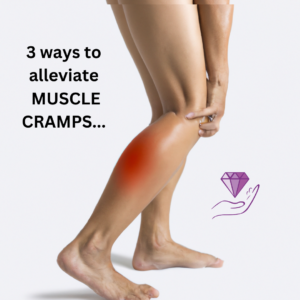
3 Ways to Alleviate & Prevent Muscle Cramps

March 15, 2024 by marriedtomassage

Tweet

3 Muscle Cramp Tips for Fitness Enthusiasts & Runners

Muscle cramps can strike when you least expect them, turning a powerful workout or promising race into a painful experience. These involuntary contractions can sideline even the most seasoned fitness enthusiasts and marathon runners. To keep your muscles functioning optimally, here are three key ways to help prevent and address muscle cramps:

1. Stay Hydrated Before, During, and After Exercise

Staying adequately hydrated is essential for muscle health, especially during long workouts or runs. Dehydration can be a major contributor to muscle cramps as it affects the balance of minerals in the body.  Muscle Cramp Relief

Here’s how you can maintain hydration:

  •  Pre-Workout: Begin hydrating several hours before exercising. The aim is to start your activity well-hydrated without feeling waterlogged.
  • During Exercise: Drink regularly during your workout. If you are engaging in prolonged exercise exceeding an hour, consider sports drinks that contain electrolytes to replenish what’s lost in sweat.
  • Post-Workout: Rehydrate with water or an electrolyte solution after your exercise session to restore any fluid deficits.

2. Balance Your Electrolytes

  •  Electrolytes like sodium, potassium, magnesium, and calcium play a critical role in muscle function and hydration. An imbalance can lead to cramping. Here are some tips to maintain a healthy electrolyte balance:
  • Electrolyte-Rich Foods: Include bananas, avocados, yogurt, nuts, and leafy greens in your diet for a natural electrolyte boost.
    Supplementation: If you’re prone to heavy sweating, consider electrolyte supplements, especially during long races or high-intensity training.
  • Mindful Snacking: A salty snack post-exercise can help replace sodium lost through sweat, especially for ‘salty sweaters.’

3. Integrate Massage and Stretching into Your Routine

Proper stretching before and after exercise can help reduce the risk of muscle cramps. A massage can relieve tight muscles and improve circulation. Here’s how to apply both strategies effectively:

  • Dynamic Stretching Pre-Workout: Engage in dynamic stretches before exercising to prep your muscles.
    Static Stretching
  • Post-Workout: Perform static stretches after your workout when your muscles are warm to increase flexibility and decrease cramping risk.
  • Regular Massage: Use foam rollers or seek professional massages to work out knots and tight spots, increasing circulation and decreasing the occurrence of cramps.  Book your Massage Here by Clicking On RESERVE NOW.

By integrating these methods into your fitness routine, you’ll be better equipped to fend off muscle cramps and stay on track toward your competitive goals or fitness milestones. Always listen to your body and consult with a healthcare provider if cramps persist or worsen, as they can occasionally signal underlying issues. Keep pushing yourself and stay hydrated to achieve your best performance!

Some additional tips to prevent muscle cramps include:

  • Gradually increasing your activity level and not pushing yourself too hard, too fast.
  • Wearing appropriate footwear that supports your feet and legs during exercise.
  • Using proper form and technique while exercising to avoid overworking specific muscles.
  • Incorporating rest days into your training schedule to give your body time to recover.
  • Using heat or ice therapy on sore muscles to help reduce inflammation.
  • Remember to always listen to your body and make adjustments accordingly.
  • Taking magnesium supplements or consuming foods high in magnesium, such as whole grains, leafy greens, and nuts.

REFERENCES :
https://www.womensrunning.com/health/injuries/nutrition-hydration-preventing-muscle-cramps/
https://www.runnersworld.com/uk/training/a776440/how-to-prevent-muscle-cramp-during-a-race/
https://runnersconnect.net/muscle-cramps-running/
https://www.shape.com/fitness/tips/workouts-that-prevent-muscle-cramps
https://www.verywellfit.com/preventing-muscle-cramps-during-exercise-3120421
https://health.clevelandclinic.org/massage-for-runners-types-of-touch-every-runner-needs/
https://time-to-run.us/training/injuries/cause-of-muscle-cramps.htm
https://www.acefitness.org/education-and-resources/professional/expert-articles/5524/preventing-treating-exercise-associated-muscle-cramps/
https://www.sportsinjuryclinic.net/sport-injuries/cramp-treatment/prevent-leg-cramps

Not intended to be a comprehensive list, these references provide additional information and tips on preventing muscle cramps. It’s always important to do your own research and consult with a healthcare professional for personalized advice and guidance.

Filed Under: massage, pain relief, stretches, wellness

  • « Previous Page
  • 1
  • 2
  • 3
  • 4
  • 5
  • …
  • 7
  • Next Page »
(916) 467-4325

Improve your posture and range of motion with massage.  Stress Less with a Hot Stone massage.

Copyright © 2026 · Married To Massage · 2118 P St Ste B
Sacramento , CA 95816 · Powered by ThriveHive

Copyright © 2021 · Married To Massage
2118 P St Ste B Sacramento, CA 95816