Married To Massage

Committed to YOUR Health and Wellbeing

916-467-4325 (HEAL)
RESERVE NOW!
  • Home
  • About
  • Services
    • Cherished Chair Massage
    • Deep Tissue and Sports Massage
    • Hot Stone Massage Blend
    • Light Therapy
  • Gift Certificates
  • Conditions
    • TMJ Disorder
    • Golfers Elbow
    • Sciatica
  • Announcements
  • Contact Us

Massage for PTSD

June 11, 2026 by marriedtomassage Leave a Comment

Tweet

Three Things That Genuinely Help With PTSD

Quick answer: Three evidence-supported ways to ease PTSD symptoms are trauma-focused psychotherapy (such as CBT or EMDR), regular physical activity, and massage therapy. These approaches can reduce anxiety, improve sleep, and help the body and mind feel safer over time. They work best alongside professional support.

Living with post-traumatic stress disorder can feel like your nervous system is stuck on high alert. Loud noises make you jump. Sleep won’t come. Memories show up uninvited. If that sounds familiar, you’re not alone—and there are practical ways to feel better.

This post breaks down what PTSD actually is, the symptoms to watch for, and three things that research suggests can help. None of these replace professional care, but they can be powerful parts of a recovery plan.

What Is PTSD?

PTSD is a mental health condition that can develop after someone experiences or witnesses a terrifying event. That might be combat, a serious accident, assault, a natural disaster, or any situation that felt life-threatening.
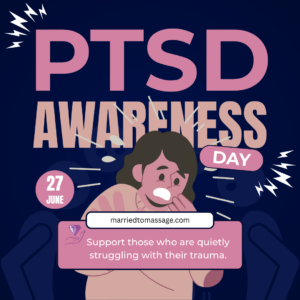
PTSD
Add massage to help with ptsd symptoms

According to the National Institute of Mental Health (NIMH), most people who go through trauma will have some reactions afterward, but the majority recover naturally. When symptoms last longer than a month and start to disrupt daily life, it may be PTSD (NIMH, 2023).

PTSD is more common than many people realize. The U.S. Department of Veterans Affairs estimates that about 6 out of every 100 people will have PTSD at some point in their lives (U.S. Department of Veterans Affairs, 2023). It can affect anyone—veterans, survivors of abuse, first responders, and everyday people who’ve lived through something frightening.

What Are the Symptoms of PTSD?

PTSD symptoms usually fall into four categories, according to the NIMH:

  • Re-experiencing symptoms: Flashbacks, nightmares, and frightening thoughts that bring the trauma rushing back.
  • Avoidance symptoms: Staying away from places, people, or activities that serve as reminders, and avoiding talking about what happened.
  • Arousal and reactivity symptoms: Being easily startled, feeling tense or “on edge,” difficulty sleeping, and angry outbursts.
  • Cognition and mood symptoms: Trouble remembering details of the event, negative thoughts about yourself or the world, guilt, and loss of interest in things you once enjoyed.

Symptoms can appear within three months of the event or sometimes years later. They also vary from person to person. If these reactions last more than a month and interfere with work, relationships, or daily routines, it’s worth speaking with a healthcare professional.

Three Things That Help With PTSD

1. Trauma-Focused Psychotherapy

Talk therapy remains the most strongly supported treatment for PTSD. The American Psychological Association (APA) recommends several trauma-focused approaches, including Cognitive Behavioral Therapy (CBT), Cognitive Processing Therapy (CPT), and Prolonged Exposure therapy (APA, 2017).

Another well-studied option is Eye Movement Desensitization and Reprocessing (EMDR). During EMDR, a therapist guides you through recalling the traumatic memory while you follow side-to-side eye movements or other rhythmic stimulation. The goal is to help your brain reprocess the memory so it loses some of its emotional charge.

Choose trauma-focused therapy first if your symptoms are intense or have lasted a long time. Working with a licensed professional gives you a safe space to process what happened and learn coping skills that last.

2. Regular Physical Activity

Movement does more than build muscle—it can calm an overactive stress response. Exercise releases endorphins, improves sleep, and gives the body a healthy outlet for the tension that PTSD creates.

Research published in the journal Cochrane Database of Systematic Reviews found that physical activity may reduce PTSD symptoms, as well as related depression, when added to standard treatment (Lawrence et al., 2022). Activities like walking, running, swimming, and yoga have all shown promise.

Yoga deserves a special mention. A study supported by the National Center for Complementary and Integrative Health found that yoga helped reduce PTSD symptoms in women with chronic, treatment-resistant PTSD (van der Kolk et al., 2014). The combination of breathing, movement, and mindfulness seems to help the body feel grounded again.

Start small if exercise feels overwhelming. A ten-minute daily walk is a realistic first step that builds momentum over time.

3. Massage Therapy

Massage is often overlooked, but it can be a meaningful complement to other treatments. People with PTSD frequently carry chronic muscle tension and struggle to relax. Massage therapy addresses that physical side of trauma directly.

Studies suggest massage can lower cortisol—the body’s main stress hormone—while boosting serotonin and dopamine, which support mood and relaxation (Field, 2016). For someone whose nervous system is stuck in fight-or-flight, that shift can offer real relief.

Massage may also improve sleep and reduce anxiety, two areas where PTSD hits hard. Consider massage if physical tension, poor sleep, or difficulty relaxing are among your biggest struggles. It pairs well with therapy rather than replacing it.

A quick note: physical touch can feel uncomfortable for some trauma survivors. Let your massage therapist know your boundaries beforehand, and stop anytime something doesn’t feel right.

Putting It All Together

PTSD is treatable, and recovery is possible. Trauma-focused therapy gives you tools to process the past, exercise helps your body release stress, and massage soothes the physical tension that trauma leaves behind. Used together—and under the guidance of a healthcare professional—these approaches can make a real difference.

If you or someone you know is struggling, reach out to a licensed mental health provider. In the U.S., you can call or text the 988 Suicide and Crisis Lifeline for immediate, free, and confidential support.

Frequently Asked Questions

Can PTSD go away on its own?

Some people recover from trauma naturally within a few weeks. But when symptoms last longer than a month and disrupt daily life, professional treatment usually offers the best path to recovery. PTSD rarely improves on its own once it becomes chronic.

How long does PTSD treatment take?

It depends on the person and the approach. Many trauma-focused therapies, such as CPT and Prolonged Exposure, run for about 8 to 15 weekly sessions, according to the APA (2017). Some people need more time, especially with complex or long-standing trauma.

Is massage a replacement for PTSD therapy?

No. Massage therapy is best viewed as a complement to evidence-based treatments like psychotherapy. It can ease physical tension, improve sleep, and lower stress hormones, but it does not address the underlying trauma the way trauma-focused therapy does.

Who is most at risk of developing PTSD?

Anyone exposed to trauma can develop PTSD, but risk is higher for combat veterans, survivors of assault or abuse, first responders, and people with less social support after a traumatic event. Genetics and prior mental health conditions can also play a role.

What should I do if exercise or massage triggers anxiety?

Stop and go at your own pace. Trauma survivors sometimes feel uneasy with touch or intense physical sensations. Start gently, communicate your boundaries, and talk to a therapist about pacing. The goal is to feel safe, not pushed.


References

  • American Psychological Association. (2017). Clinical Practice Guideline for the Treatment of Posttraumatic Stress Disorder (PTSD) in Adults.
  • Field, T. (2016). Massage therapy research review. Complementary Therapies in Clinical Practice.
  • Lawrence, S., et al. (2022). Exercise for post-traumatic stress disorder. Cochrane Database of Systematic Reviews.
  • National Institute of Mental Health. (2023). Post-Traumatic Stress Disorder.
  • U.S. Department of Veterans Affairs, National Center for PTSD. (2023). How Common Is PTSD in Adults?
  • van der Kolk, B. A., et al. (2014). Yoga as an adjunctive treatment for posttraumatic stress disorder. Journal of Clinical Psychiatry.

Filed Under: Uncategorized

August 15th is National Relaxation Day!

August 15, 2024 by marriedtomassage

Tweet

Discover the Ultimate Guide to National Relaxation Day Bliss

Introduction

In a world that never seems to slow down, finding time to relax can feel like searching for a rare gem. But what if we told you there’s a day dedicated entirely to relaxation? Welcome to National Relaxation Day, a celebration designed to encourage everyone to take a step back and indulge in some well-deserved self-care. For all the wellness enthusiasts and self-care advocates out there, this is your chance to truly unwind and rejuvenate. This blog post will explore three great ways to relax on National Relaxation Day, offering practical tips and insights to help you achieve ultimate tranquility. From massages to stress relief techniques, we’ve got you covered.

The Importance of Relaxation  National Relaxation Day 2024

Why Relaxation Matters

Relaxation is more than just a luxury; it’s a necessity for both physical and mental well-being. When we take the time to relax, we allow our bodies to recover from the constant demands of daily life. This not only helps to reduce stress but also boosts our immune system and improves our overall health. For wellness enthusiasts and self-care advocates, understanding the importance of relaxation is the first step towards a healthier, happier life.

The Science Behind Relaxation

Scientific studies have shown that relaxation techniques can significantly reduce stress hormones like cortisol. Lower cortisol levels contribute to better sleep, improved mood, and even enhanced cognitive function. By integrating relaxation into your routine, you’re not just pampering yourself; you’re investing in your long-term health and well-being.

Benefits of Regular Relaxation

Incorporating regular relaxation practices into your life can lead to numerous benefits, including increased energy levels, better focus, and a more positive outlook on life. Whether you’re a busy professional or a stay-at-home parent, finding time to relax can make a world of difference in your daily life.

Three Great Ways to Relax

1. Massage Therapy

The Healing Power of Touch

One of the most effective ways to relax is through massage therapy. Massages work by manipulating the muscles and tissues to relieve tension and promote relaxation. This ancient practice has been used for centuries to treat a variety of ailments and improve overall well-being.

Different Types of Massages

There are several types of massages to choose from, each offering unique benefits. Swedish massages, for example, are great for overall relaxation and stress relief. Deep tissue massages, on the other hand, target deeper layers of muscle and are ideal for those with chronic pain or tightness. Hot stone massages use heated stones to relax muscles and improve circulation, providing an extra layer of relaxation.

Finding the Right Massage for You

To get the most out of your massage experience, it’s essential to choose the right type of massage for your needs. Speak with a professional massage therapist to discuss your specific concerns and preferences. They can guide you in selecting the best massage technique to achieve maximum relaxation and stress relief.

2. Practicing Mindfulness and Meditation

The Basics of Mindfulness

Mindfulness is the practice of being fully present in the moment, aware of your thoughts and feelings without judgment. This simple yet powerful technique can help reduce stress, improve focus, and enhance emotional well-being. For self-care advocates, mindfulness is a must-have tool in your relaxation toolkit.

Benefits of Meditation

Meditation is a form of mindfulness that involves focusing your mind on a particular object, thought, or activity to achieve mental clarity and emotional calm. Regular meditation practice has been shown to reduce anxiety, improve concentration, and even lower blood pressure. It’s a versatile and accessible way to relax and recharge.

How to Get Started with Meditation

Starting a meditation practice doesn’t have to be complicated. Begin with just a few minutes each day, gradually increasing the duration as you become more comfortable. There are numerous apps and online resources available to guide you through the process, making it easy to incorporate meditation into your daily routine.

3. Engaging in Physical Activity

The Connection Between Exercise and Relaxation

While it may seem counterintuitive, physical activity is one of the best ways to relax. Exercise helps to release endorphins, the body’s natural stress-relievers, and promotes a sense of well-being. For wellness enthusiasts, incorporating regular physical activity into your routine is essential for achieving balance and relaxation.

Types of Relaxing Physical Activities

Not all physical activities have to be intense to be effective. Gentle exercises like yoga, tai chi, and walking can provide significant relaxation benefits. These activities help to stretch and strengthen the body while promoting mental clarity and emotional calm.

Creating a Balanced Exercise Routine

To get the most out of your physical activity, aim for a balanced routine that includes both cardio and strength training exercises. Don’t forget to incorporate stretching and cool-down activities to prevent injury and enhance relaxation. Listen to your body and choose activities that you enjoy to ensure that your exercise routine remains sustainable and enjoyable.

Conclusion

The Takeaway

National Relaxation Day is the perfect opportunity to prioritize self-care and indulge in activities that promote relaxation and well-being. Whether you choose to enjoy a soothing massage, practice mindfulness and meditation, or engage in gentle physical activities, remember that relaxation is an essential part of a healthy lifestyle.

Call to Action

Ready to take your relaxation to the next level? Book a session with one of our expert massage therapists, join a mindfulness meditation class, or explore our range of relaxing physical activities. Celebrate National Relaxation Day by treating yourself to the ultimate self-care experience and discover the profound benefits of relaxation.

By incorporating these three great ways to relax into your routine, you’ll be well on your way to a more balanced, stress-free life. Don’t wait—start your relaxation journey today and experience the transformation for yourself. Your body, mind, and soul will thank you for it. So why wait? Start incorporating relaxation into your daily routine and reap the countless benefits it has to offer. Remember, self-care is not selfish; it’s necessary for living a happy and healthy life. Happy National Relaxation Day!

#NationalRelaxationDay #SelfCare #StressManagement

References

  • “Massage Therapy: What You Need To Know,” National Center for Complementary and Integrative Health, U.S. Department of Health & Human Services, https://www.nccih.nih.gov/health/massage-therapy-what-you-need-to-know.
  • “Mindfulness: What It Is and How to Practice It,” Mayo Clinic, https://www.mayoclinic.org/healthy-lifestyle/consumer-health/in-depth/mindfulness-exercises/art.
  • “Meditation: A Simple, Fast Way to Reduce Stress,” Mayo Clinic, https://www.mayoclinic.org/tests-procedures/meditation/in-depth/meditation/art.
  • “Physical Activity for a Healthy Weight,” Centers for Disease Control and Prevention, U.S. Department of Health & Human Services, https://www.cdc.gov/healthyweight/physical_activity/index.html

Filed Under: Uncategorized

7 Tips to Simplify Your Life

March 3, 2022 by marriedtomassage

Tweet

Simplify Your Life and Reduce Stress

In today’s world, it seems like we are constantly inundated with information. Our phones beep and buzz with notifications, our email inboxes are overflowing, and there always seems to be someone wanting our attention. It can be hard to find time for ourselves in the midst of all this noise. That’s why March 3rd has been designated as Simplify Your Life Day – a day to take a step back and evaluate the things in our lives that are causing us stress.

Here at Married to Massage, we believe that simplifying your life is important, and we want to help you do it! In this blog post, we will discuss some tips on how to simplify your life.

7 Tips to Simplify Your Life:

  • Evaluate your commitments and eliminate the ones that are not necessary.    Delegate to Simplify your life
  • Create a schedule and stick to it.
  • Say no to things that you don’t have time for or don’t want to do.
  • Delegate tasks whenever possible.
  • Simplify your living space.
  • Reduce the amount of noise in your life.
  • Practice mindfulness.

Each of these tips will help you reduce stress and live a more peaceful life. By following these tips, you can simplify your life without feeling overwhelmed! We hope you find this blog post helpful, and we wish you a happy Simplify Your Life Day!

Filed Under: stress relief, Uncategorized, wellness

Site Launch

January 17, 2019 by marriedtomassage

Tweet

Our new website is finally up. We’ve worked hard to get a beautiful new site ready and we’re proud to show it off. Thanks for reading our blog. We have lots of great blog posts in the works. Please check back or contact us now to find out how we can help you.


Filed Under: Uncategorized

(916) 467-4325

Improve your posture and range of motion with massage.  Stress Less with a Hot Stone massage.

Copyright © 2026 · Married To Massage · 2118 P St Ste B
Sacramento , CA 95816 · Powered by ThriveHive

Copyright © 2021 · Married To Massage
2118 P St Ste B Sacramento, CA 95816